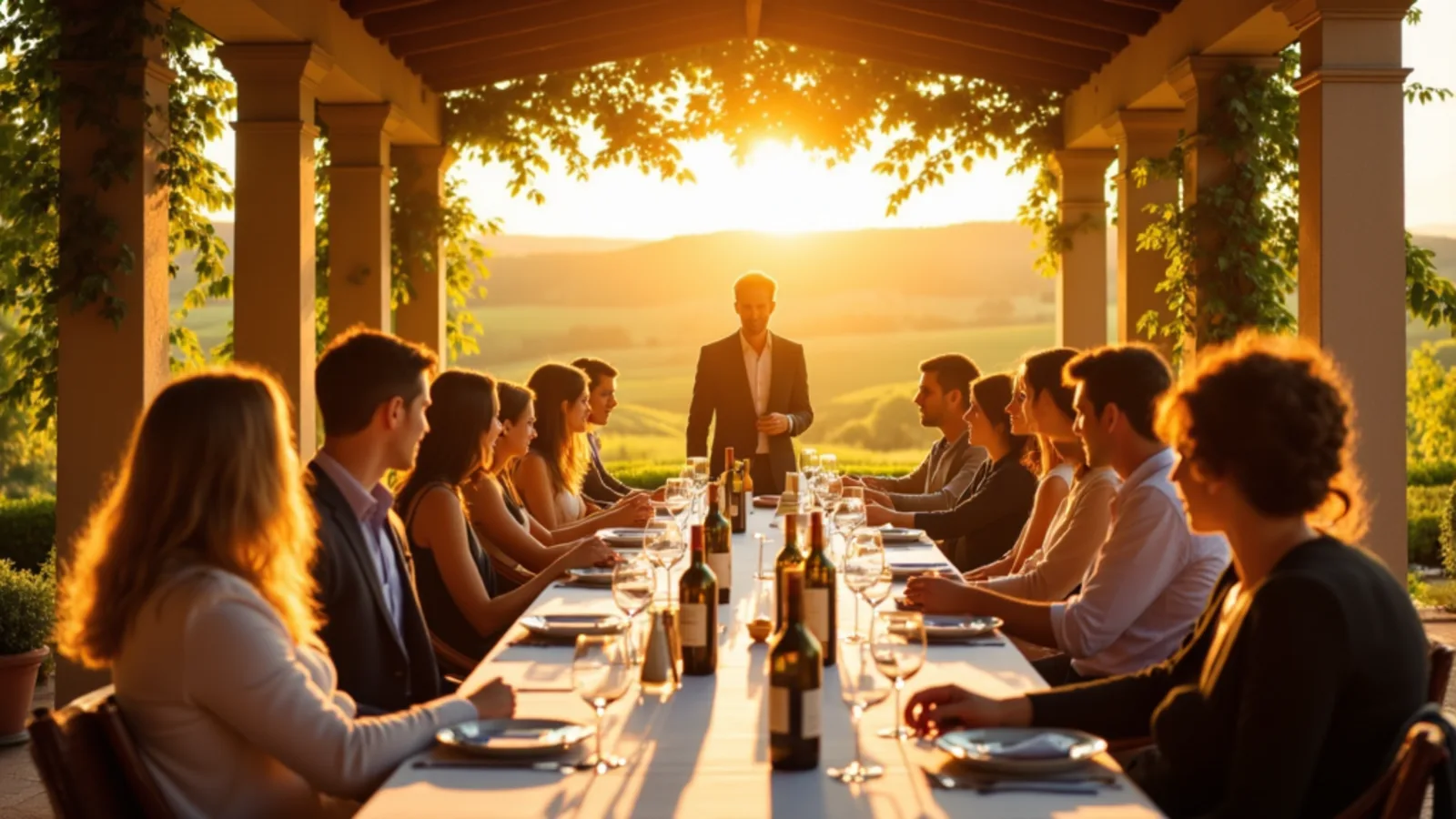
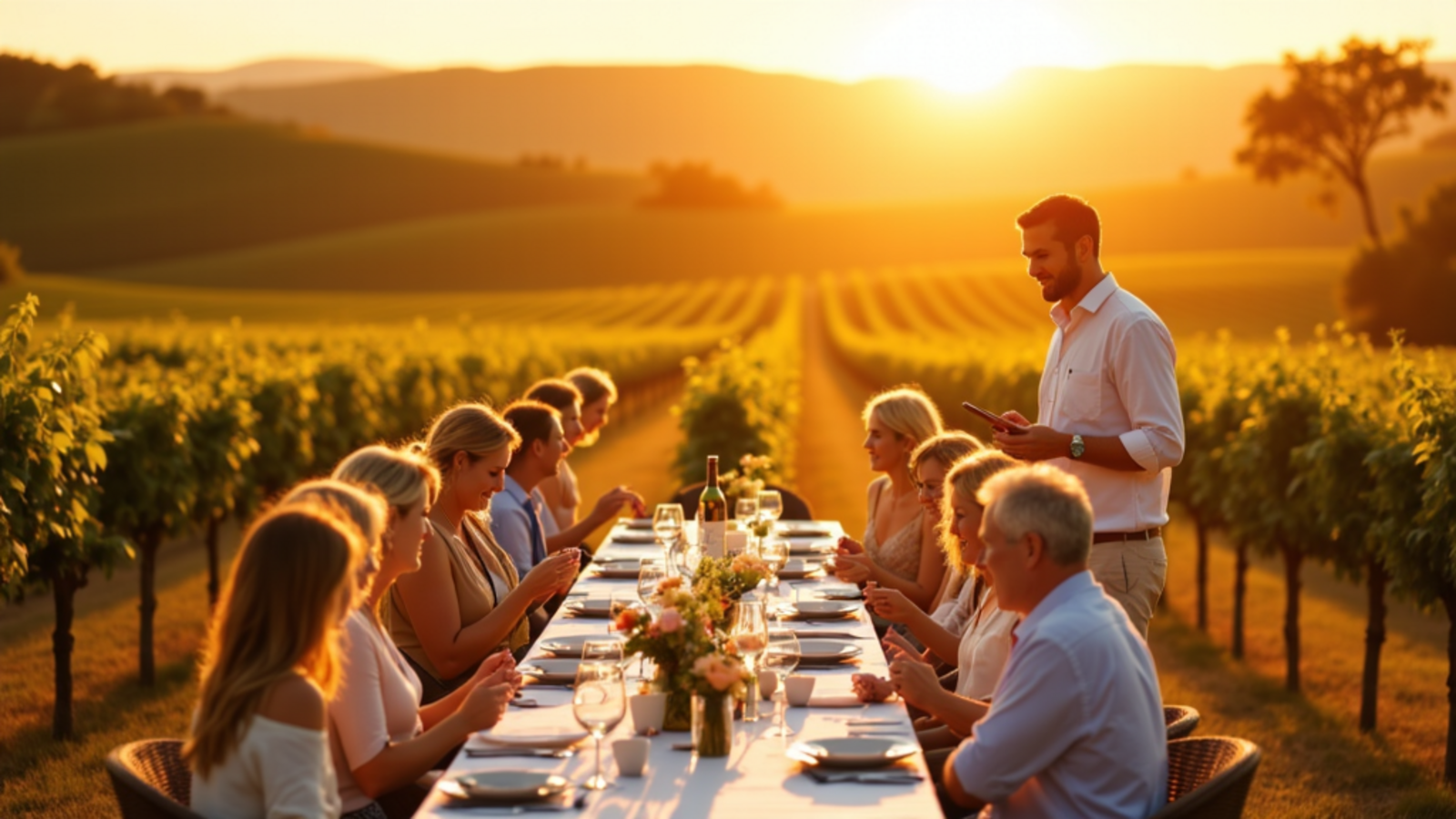
Luxury Tuscany food and wine tour with Atlas Group Travel: arrival at a Val d'Orcia vineyard estate at golden hour with cypress lines, rolling hills, and rows of Sangiovese vines.

Experiences · Tuscany

Tuscany Food & Wine Tours

Tuscany is the most rewarding wine region in the world to tour properly and the easiest to do thinly. The famous estates do not take walk-ins, the best tables book ahead, and a generic minibus circuit skips the cellars worth visiting. Atlas plans private Tuscany wine tours for couples, celebratory groups, and travelers who came for the table as much as the view.

Overview

The Tuscany most wine tours miss

Most people who book a Tuscany wine tour come home having seen the postcard and missed the point. The day-tour version, a coach from Florence, two large commercial cellars, a buffet lunch, gets you the cypress trees and very little of the wine that makes the region matter. The estates that matter are family-run, appointment-only, and often unsigned at the gate. You cannot book them from a hotel lobby the night before.

A well-planned Tuscany food and wine trip looks different. You arrive at a Brunello producer in Montalcino who is expecting you, walk the cellar with the person whose name is on the bottle, taste verticals that never leave the property, and stay for a lunch the estate cooks for its guests. The next day is a single cooking class in a farmhouse kitchen, not a rushed group demo, followed by an afternoon free in a hill town rather than another two-stop bus loop. The difference is entirely in the planning: access, sequencing, and a pace that lets the meals breathe.

This page covers the wine regions worth your days, the food experiences that justify the trip on their own, where to base yourself, when to go, and what it costs. Tuscany rewards a private, unhurried approach more than almost any wine destination, and it punishes the packaged one.

Suitability

Who this trip is best for

  • Wine enthusiasts who want cellar access, named producers, and verticals they cannot taste at home
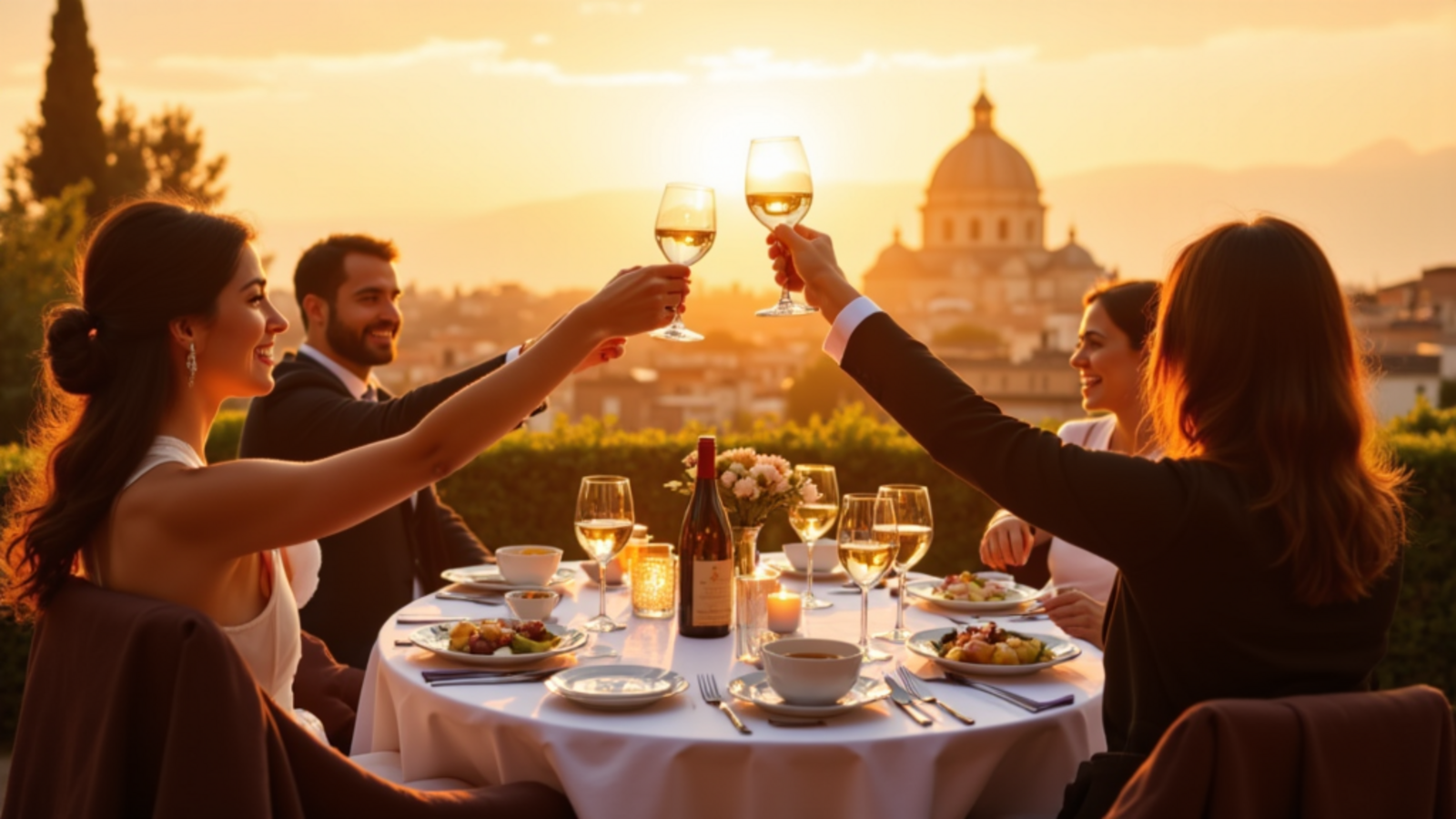
  • Couples marking an anniversary, honeymoon, or milestone with long lunches and good bottles
  • Celebratory and private groups built around a shared table, often with a villa as the base
  • Travelers with the time to travel slowly and the palate to know why it is worth it
  • Repeat Italy travelers who have done Rome and Florence and now want the countryside and the food
  • Private groups of 15 or more wanting coordinated villas, estate visits, and group dining

Where You Go

The wine regions and estates

Tuscany is not one wine region but several. A serious tour picks two or three and goes deep rather than skimming all of them.

Chianti Classico

The heart most travelers picture: Sangiovese from the hills between Florence and Siena, the black-rooster seal, and a dense concentration of estates within an easy drive of either city. The most accessible base for a first Tuscany wine trip, with a range that runs from historic noble estates to small organic producers.

Brunello di Montalcino

For many enthusiasts the reason to come. One hundred percent Sangiovese, long-aged, age-worthy, and among Italy's most collectable reds. Montalcino sits about ninety minutes south of Siena, surrounded by estates from cult-small to famous. This is appointment territory, and access is what an advisor actually buys you.

Vino Nobile di Montepulciano

The quieter aristocrat, Sangiovese (locally Prugnolo Gentile) from the steep streets and vineyards of Montepulciano, a Renaissance hill town often paired with Montalcino on the same loop. Less hyped than Brunello, frequently better value, and one of the most beautiful towns in the region.

Bolgheri and the Super Tuscans

The coastal outlier and the modern revolution: Cabernet, Merlot, and Sangiovese blends that broke the old rules and now command the highest prices in Tuscany. Bolgheri sits west toward the sea, a longer drive from the hill-town circuit, and suits travelers chasing the Super Tuscan story.

The Table

Food experiences worth the trip

The wine is the headline, but in Tuscany the food carries equal weight, and the best trips treat the table as the main event rather than the intermission. A private cooking class in a farmhouse or villa kitchen, making fresh pasta and pici with a local cook and eating what you made over the estate's wine, is the genuine article, not a hotel demonstration for thirty people. Agriturismo and estate dining, a meal cooked by the winery for its guests and paired with the wines you have just tasted, is often the best of the trip and impossible to book without the relationship.

Beyond the kitchen, a morning in a market town choosing pecorino, salumi, and seasonal produce with a guide who knows the stalls frequently feeds straight into the afternoon's cooking class. Tuscan extra-virgin olive oil is a destination in its own right, with frantoio visits best near the autumn harvest. And in season, a truffle hunt with a dog and a trifolau around San Miniato or the Crete Senesi ends in a lunch built around the find, white truffle peaking in autumn and black running through more of the year.

Where You Stay

Bases for a Tuscany trip

Two cities and a stretch of countryside anchor almost every Tuscany food and wine itinerary.

Florence

The usual arrival point and the natural base for Chianti, with the art, the restaurants, and easy reach into the northern wine hills. Most trips start here.

Siena

Smaller, medieval, and better placed for the southern regions of Montalcino and Montepulciano. A strong second base, or the single base for a wine-focused trip that skips the city sightseeing.

Val d'Orcia

The UNESCO-listed valley of cypress lines, hilltop villages, and the views that define Tuscany. It sits at the centre of Brunello and Vino Nobile country, and a private villa or estate stay here puts you among the vineyards rather than commuting to them.

San Gimignano

The town of towers, known for the white Vernaccia, an easy and scenic stop between Florence and Siena that adds a white wine and a striking skyline to a red-heavy itinerary.

For many groups, a private villa in the Chianti hills or the Val d'Orcia is the better base than a city hotel: it puts the cooking classes, the long dinners, and the estate visits at your doorstep, and it suits celebratory parties travelling together.

When to Travel

Best time for a Tuscany trip

WindowConditionsCharacterPricing
September to October (harvest)Warm days, working cellarsNew oil, truffles, game; most atmosphericPeak
April to June (spring)Mild, green, comfortableBest all-round for pacing and comfortStrong
July to August (summer)Hot, busy, some closuresPlannable but not preferredHigh
November to March (winter)Quiet, unreliable weatherCellars to yourself; some estates closedLowest

September and October, the harvest, is the most atmospheric window and the most in demand: the vines are heavy, the cellars are working, and the table is at its richest, so estate visits and the best villas book well ahead. April to June is the strongest all-round choice for pacing and comfort. July and August are hot and busy, and the moment many Italians are on holiday, which can mean estate and restaurant closures; we plan around it when dates are fixed but do not steer toward it. November to March is quiet and lower-priced, best for travelers who want the cellars to themselves.

Cost Guidance

What a Tuscany food and wine trip costs

Realistic planning range, per person, for a private trip of seven to nine days, excluding international airfare: $5,000 to $12,000+. The drivers are accommodation tier (a five-star city hotel and a private villa sit at the top, a comfortable country base lower), private versus shared touring, the calibre of estates and the depth of access, and the season, with harvest carrying a premium. A group sharing a villa and a driver often brings the per-person figure down. For the full breakdown and sample budgets, see our Italy Tour Cost guide.

Comfort & Pace

Is Tuscany easy to travel at a gentle pace?

Yes, and Tuscany is one of the most rewarding regions to travel slowly, with the caveat that the hill towns and the cellars are not flat. Montalcino, Montepulciano, and San Gimignano are steep, cobbled, and built on hills, and many historic cellars involve stairs down to the barrel rooms; we choose estates with easier access where mobility is a concern and build in time rather than rushing the climbs. Vineyard visits often mean uneven ground, so we pace it, keep distances reasonable, and offer estates that bring the experience closer to the vehicle when needed.

This is a trip to slow down for. We plan one or two estates a day rather than a forced march, with long lunches and unstructured afternoons, which is also simply the better way to taste. Tuscan summers are hot and the hill towns offer little shade at midday, so we steer heat-sensitive travelers toward spring and autumn with early starts and rest in the heat of the day. A private driver removes the stress of narrow lanes and parking, and a named specialist on call handles anything that comes up.

Sample Itinerary

Tuscany Food & Wine, 7 days

  1. Day 1. Arrive Florence, settle in, an evening walk and dinner to set the pace.
  2. Day 2. Florence at leisure, with an optional guided morning, then a Tuscan market and a hands-on cooking class in the afternoon.
  3. Day 3. Private Chianti Classico day, two family estates with cellar tours and a vineyard lunch, transfer to a Val d'Orcia base in the evening.
  4. Day 4. Brunello di Montalcino, an appointment-only morning cellar and vertical tasting, lunch at the estate, an afternoon in the town.
  5. Day 5. Vino Nobile di Montepulciano and the hill town, with a frantoio olive-oil tasting in season.
  6. Day 6. A seasonal highlight, a truffle hunt and lunch, or a deeper estate day, plus free time in the Val d'Orcia.
  7. Day 7. Transfer to Florence or onward, departure.

Planning a group of 15 or more? We coordinate one or more villas in the wine country, group estate visits arranged so the whole party tastes together, private chefs and cooking classes built for the numbers, reserved group dining, and a trip manager on the ground. See how groups travel with Atlas.

Questions

Tuscany wine tour FAQ

What is the best wine tour in Tuscany?

The best one is private and built around the regions you actually care about, usually Chianti Classico for a first trip, with Brunello di Montalcino and Vino Nobile di Montepulciano added for serious enthusiasts. A coach day-tour from Florence is the worst version; appointment-only estates with the producer present are the best. We match the estates to your palate and your dates.

Is it worth doing a wine tour in Tuscany?

Yes, if it is planned properly. The famous estates do not take walk-ins, so the value of a wine tour is access, the cellars, verticals, and estate lunches you cannot book yourself. A generic bus circuit is not worth it; a private, appointment-led trip is one of the best wine experiences anywhere.

What wineries should I visit in Tuscany?

It depends on what you drink. Chianti Classico for the range and accessibility, Montalcino for age-worthy Brunello, Montepulciano for Vino Nobile and value, and Bolgheri for the Super Tuscans if the coast and the modern blends are your interest. We open the family-run, appointment-only estates rather than the commercial tasting rooms.

What is the best of Tuscany tour?

For a food and wine traveler, a seven-day private trip basing in Florence and the Val d'Orcia, combining Chianti, Brunello, and a cooking class, with a hill town or two and a seasonal highlight like truffle or harvest. See the sample itinerary above.

What not to miss in Tuscany?

Beyond the wine: the Val d'Orcia landscape, the hill towns of Montepulciano and San Gimignano, a real farmhouse cooking class, Tuscan extra-virgin olive oil at the source, and, in season, a truffle hunt. The food is half the reason to come.

Ready When You Are

Plan your Tuscany food and wine trip.

Tell us about your travelers, your dates, and the wines you care about. A named Italy specialist returns within twenty-four hours with a first sketch of the journey.