
Serengeti National Park
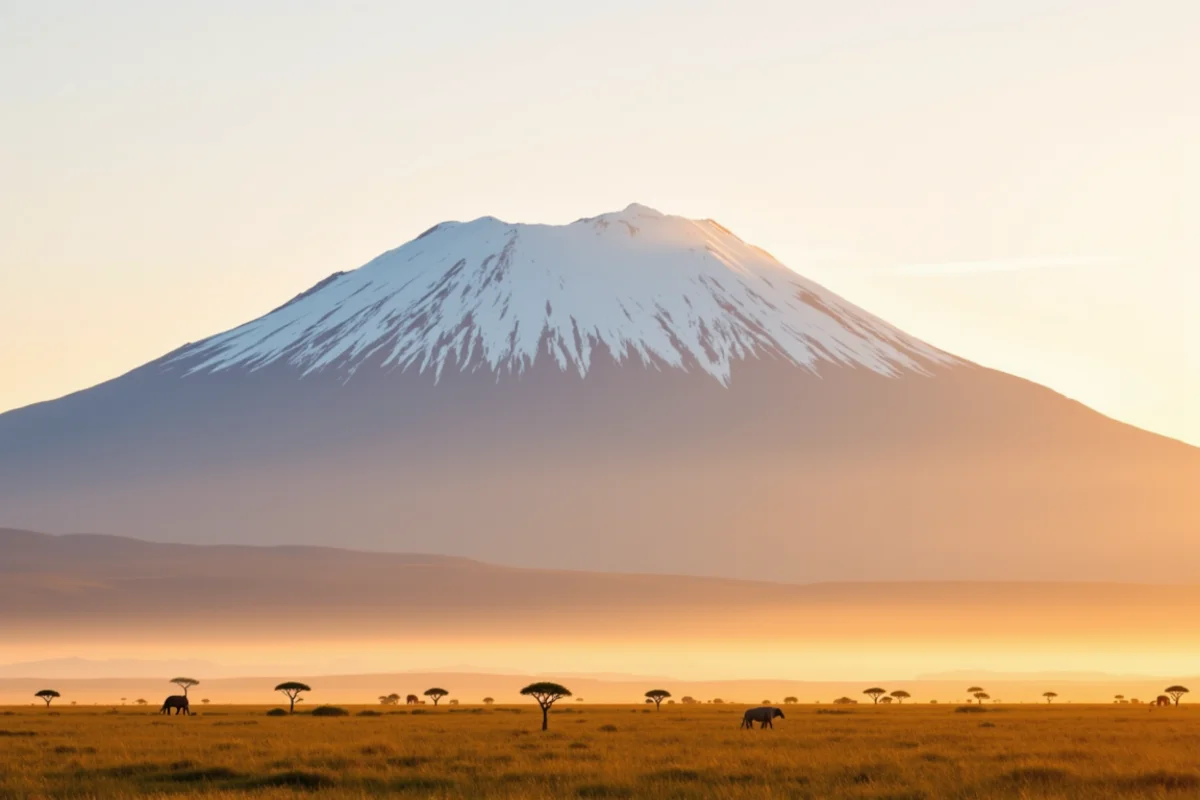
The heart of the trip and the stage for the Migration. The sector matters by month: the southern plains and Ndutu for calving, the western corridor in early season, the north and the Mara River for the crossings.
Destinations · Africa · Tanzania
Tanzania is the strongest single-country safari in Africa, and the best first safari for most travelers. The Serengeti and the Ngorongoro Crater deliver the wildlife people picture, and the Great Migration calves here. Atlas plans it privately, for couples, families, and groups.
Overview
If a traveler can only do one safari country, Tanzania is usually the answer. It holds the Serengeti, the Ngorongoro Crater, and the southern circuit, and it is where the Great Migration spends roughly half its year. The density and reliability of wildlife make it forgiving: you do not need perfect timing or perfect luck to come home with a remarkable trip.
What separates a good Tanzania safari from an average one is camp placement and pacing. The Serengeti is roughly the size of Connecticut, and a camp in the wrong sector during the wrong month means hours of driving to find animals that are hundreds of miles away. Atlas places you in the right part of the park for your exact dates, often in a mobile camp that moves with the Migration, and keeps the itinerary unhurried so you are watching wildlife rather than driving past it.
Suitability
Where You Go
A typical luxury itinerary combines two or three of these, matched to the season.
The heart of the trip and the stage for the Migration. The sector matters by month: the southern plains and Ndutu for calving, the western corridor in early season, the north and the Mara River for the crossings.
A collapsed caldera holding the densest concentration of large mammals in Africa, with one of the most reliable black rhino sightings on the continent. A single day on the floor often produces the Big Five.
Elephants and baobabs, with excellent dry-season game from June to October when animals concentrate along the river. A quieter, scenic complement to the headline parks.
A short flight from the safari, and the classic beach finale for families and honeymooners. Three to four nights of recovery on the Indian Ocean.
When to Travel
| Window | Conditions | Wildlife | Pricing |
|---|---|---|---|
| June to October (dry) | Cool, dry, low malaria | Best all-round; northern crossings | Peak |
| December to March (green) | Warm, lush | Calving season in the south | Strong value |
| April to May (long rains) | Wet, some camps closed | Lush, harder viewing | Lowest |
The Great Migration is a year-round movement, not an event. The two highlights are the December-to-March calving season in the southern Serengeti, and the June-to-October river crossings as the herds move north. Booking a central lodge in February and expecting crossings is the classic error, because the herds are hundreds of miles south. We match your camps to where the herds will be.
Cost Guidance
Planning range, per person: $8,000 to $20,000+ for seven to ten days, excluding international airfare. The four drivers are season, camp tier, private versus shared vehicle, and the number of internal flights. A mobile camp following the Migration in August sits at the top of the range; a fixed lodge in the green season sits at the bottom. For the full breakdown, see our African Safari Cost guide.
Comfort & Pace
Yes, with planning. The safari days themselves are low effort, spent seated in a vehicle. The considerations are travel and logistics: the long-haul flight, for which we build in a recovery night in Arusha; the light aircraft between parks, with small cabins and a soft 15-kilogram luggage limit we manage in advance; the cold, high Ngorongoro rim at around 7,500 feet; and medical and evacuation cover, which we confirm for every camp. The dry season is also the most comfortable and the lowest for malaria risk, which suits travelers who prefer low-effort, low-impact days.
Sample Itinerary
Planning a group of 15 or more? We arrange a dedicated vehicle fleet, exclusive or semi-exclusive camp use, and a trip manager on the ground. See how groups travel with Atlas.
Questions
Roughly $8,000 to $20,000+ per person for seven to ten days, excluding international flights, driven by season, camp tier, and whether you follow the Migration in a mobile camp.
June to October for all-round wildlife and the northern river crossings; December to March for the calving season in the south. The right month sets your camps, not the other way around.
A combination of the Ngorongoro Crater and a Serengeti sector matched to your dates, usually with Tarangire, is the strongest first safari. Mobile camps that move with the Migration are the standout for wildlife.
Seven to ten days on the ground for the northern circuit, plus three to four nights if you add Zanzibar. Fewer than six nights means too much transit.
Tanzania is a well-established safari destination that welcomes many American travelers each year. We monitor current conditions and health requirements, and premium camps carry medical and evacuation cover.
Continue Planning
Africa
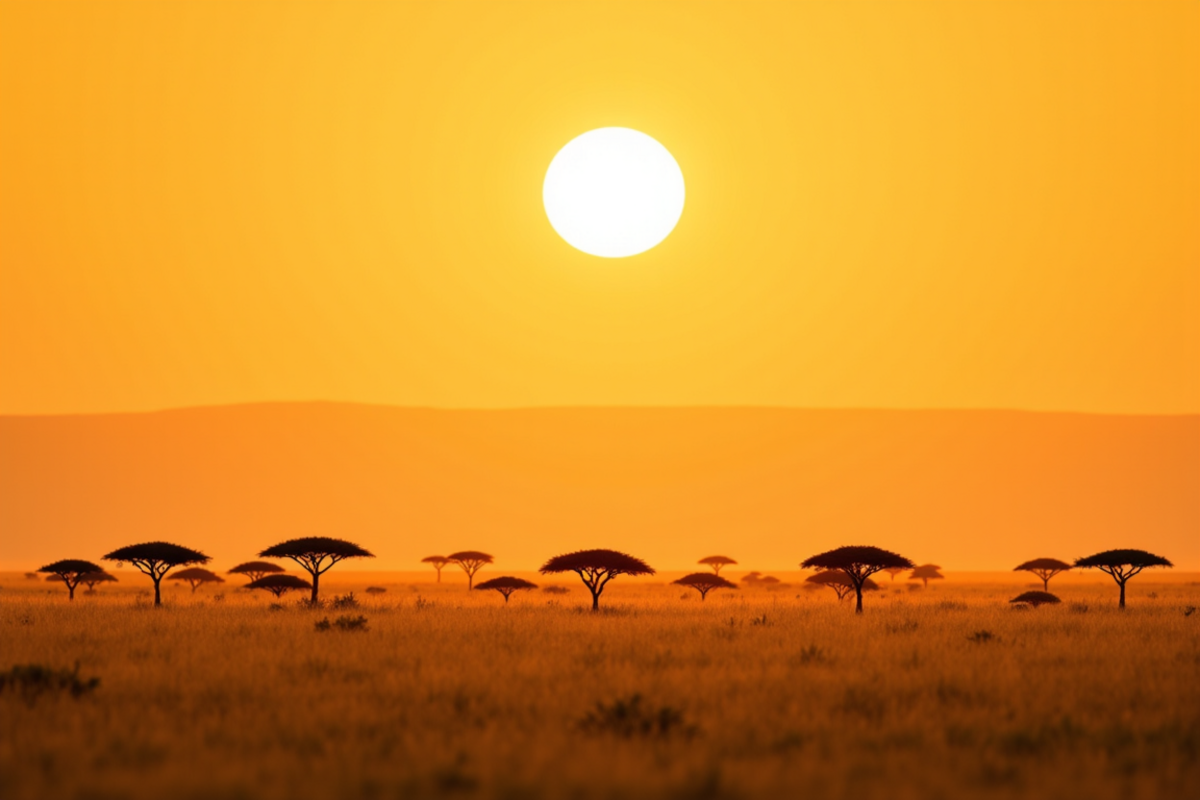
Combine the Serengeti with the Masai Mara for the full East Africa Migration story.
Explore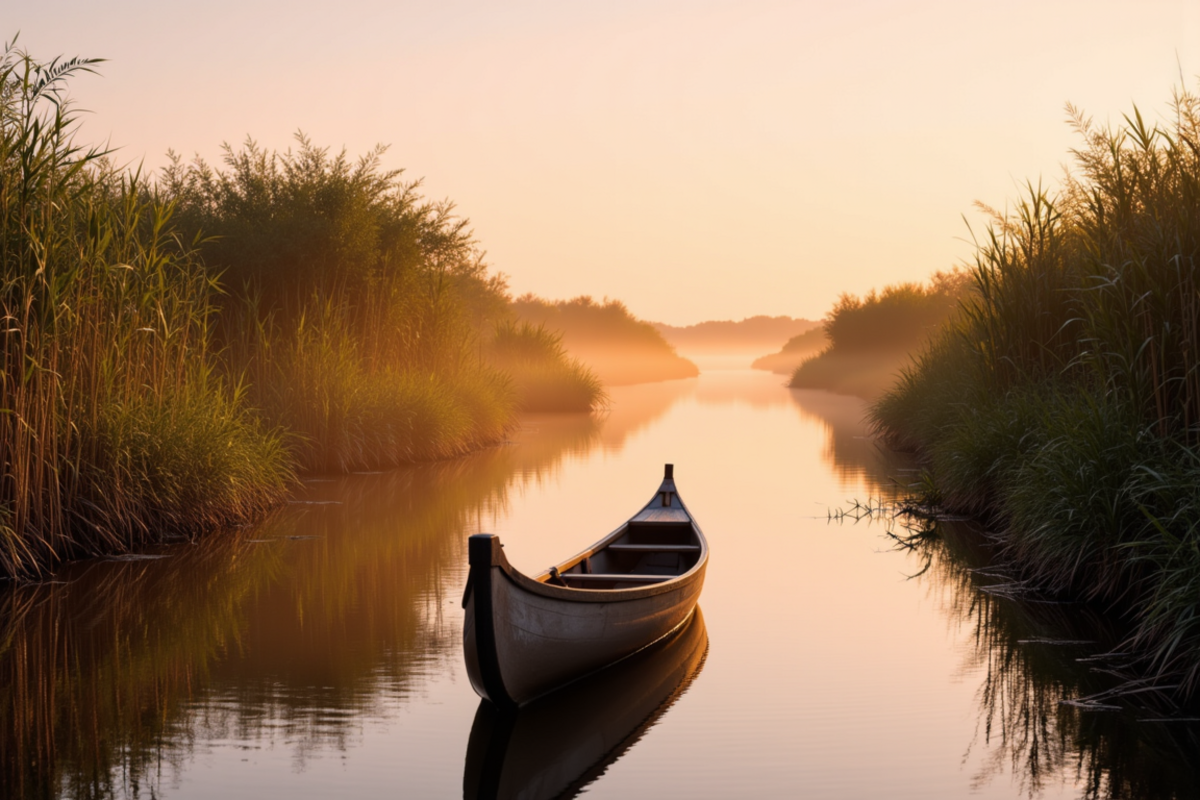
Africa
A more exclusive, water-based alternative in the Okavango Delta and Chobe.
Explore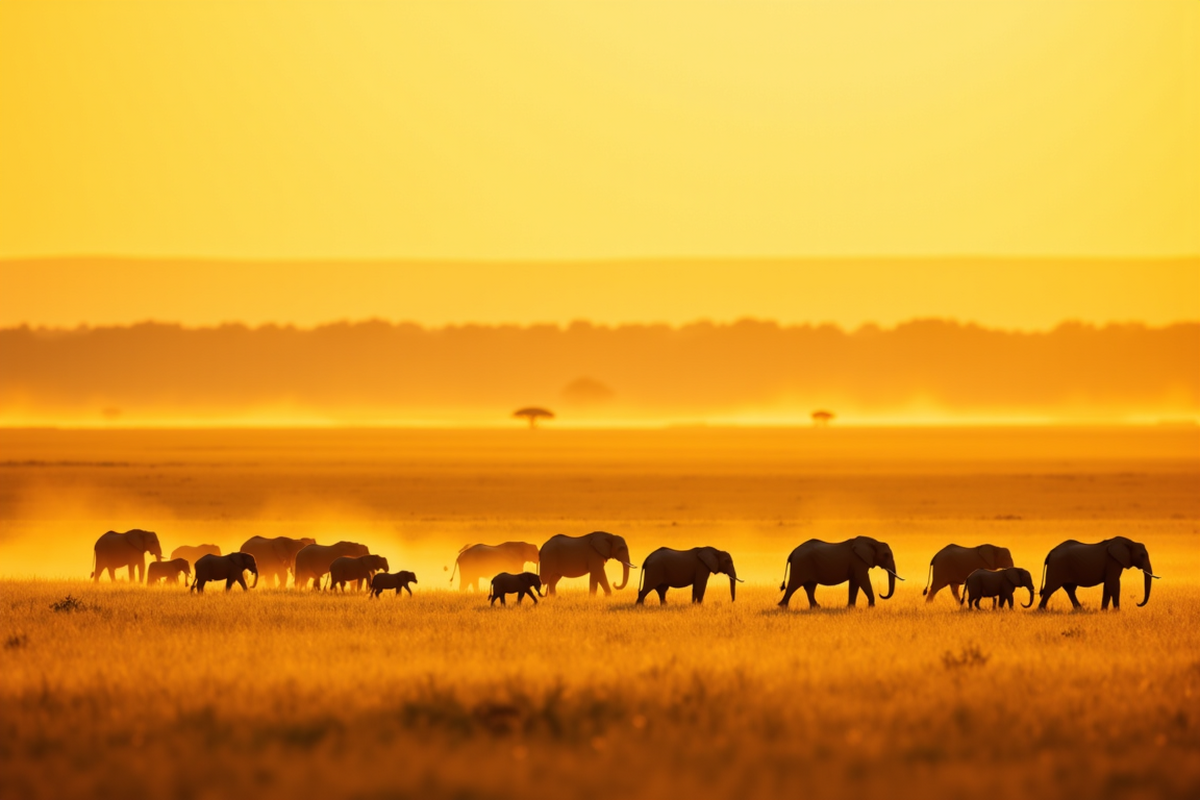
Africa
Realistic per-person planning ranges and the four factors that move the price.
ExploreReady When You Are
Tell us about your travelers, your dates, and your preferred regions. A named specialist returns within twenty-four hours with a first sketch of the journey.