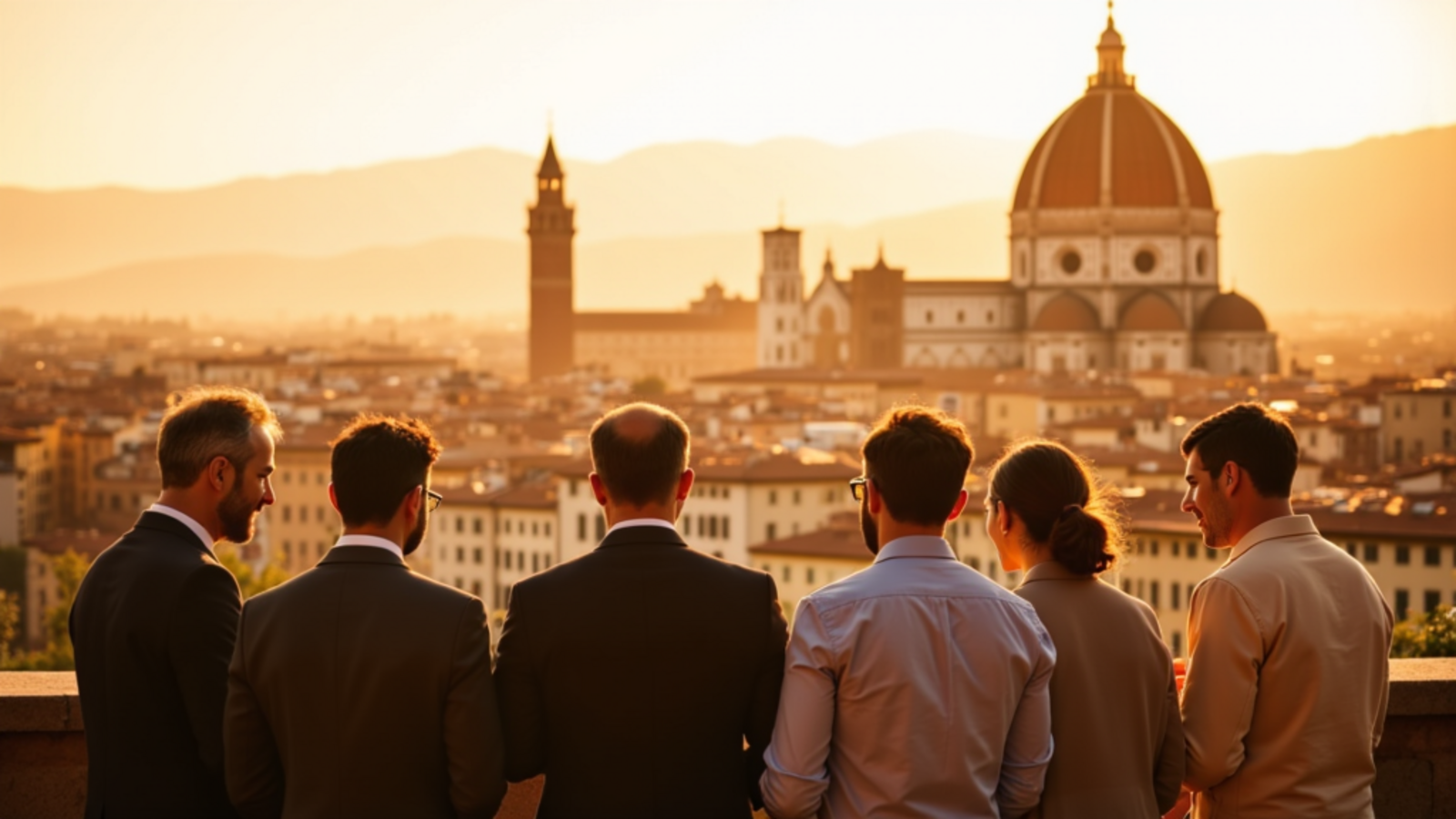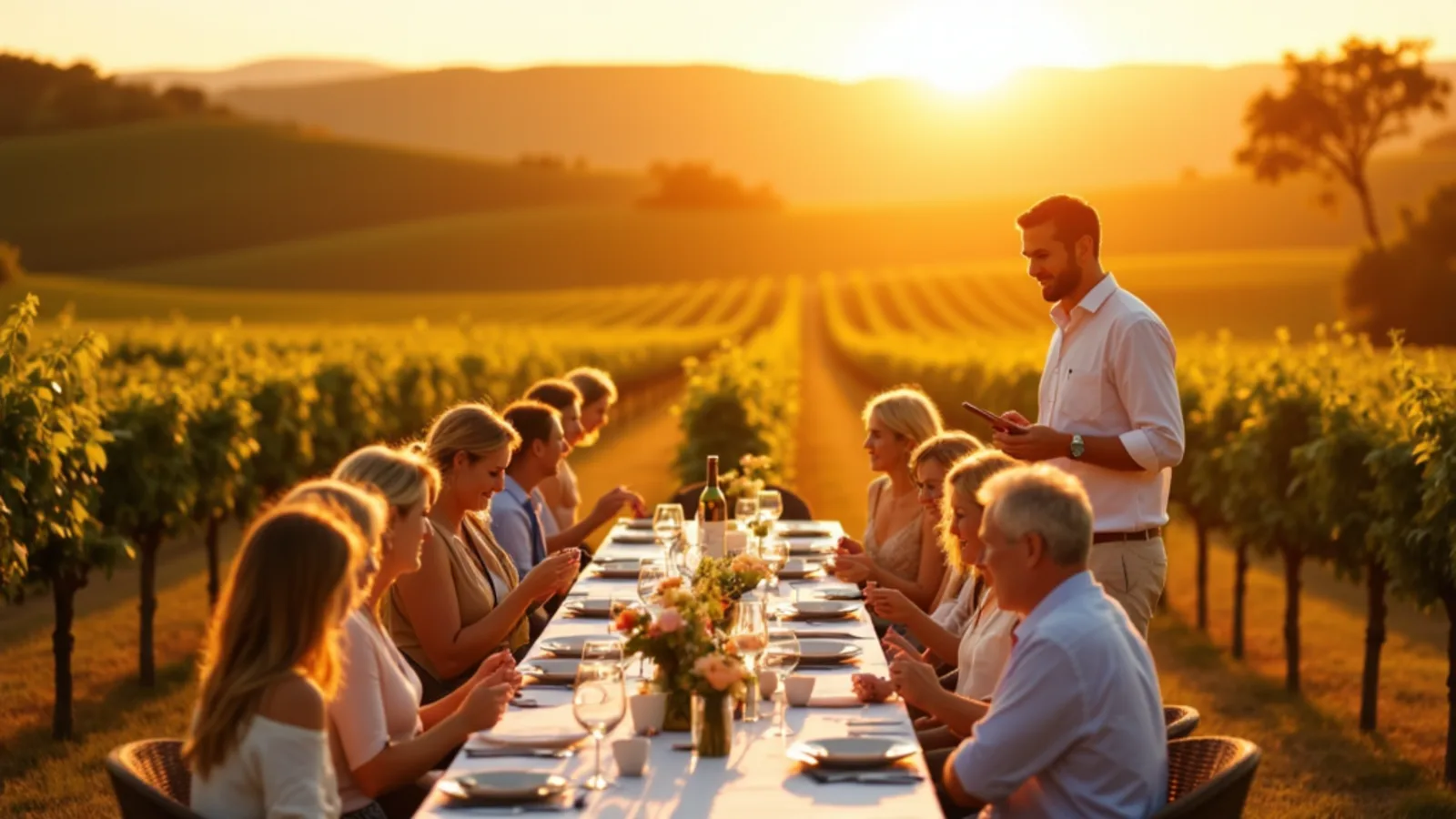
Luxury Italy food and wine tour with Atlas Group Travel: a private cellar tasting among oak barrels as a winemaker pours for a small group, with vineyard light beyond the doorway.

Experiences · Italy

Italy Food & Wine Tours

Italy is the country where the food and the wine are the destination, not the backdrop. Each region cooks and pours differently, the best producers are small and rarely on a public tour, and the difference between a good day and a forgettable one is who opens the door for you. Atlas plans private Italy food and wine tours for couples, celebratory groups, and travelers who book the trip around the table.

Overview

The trip built around the table

Italy does not have one cuisine. It has twenty regional ones, and they do not blend. Tuscany grills over wood and pours Sangiovese; Piedmont braises in Barolo and shaves white truffle over egg pasta; Emilia-Romagna makes the Parmigiano, the prosciutto, and the balsamic that the rest of the world imitates. A trip that tries to do all of it in a week does none of it well. A trip built around two or three regions, with the right producers opening their cellars and kitchens, is one of the most rewarding ways to travel anywhere.

What separates a strong Italy food and wine tour from an average one is access and sequencing. The estates worth visiting are family-run and small, they do not take walk-ins, and many of the best ones are not listed online at all. The tasting that matters is the one where the winemaker pours for eight people in the cellar, not the one where a coach unloads forty in a tasting room. Atlas builds these trips around private cellar visits, cooking with people who cook for a living, and meals at the agriturismi and trattorie that locals actually book, then paces the days so no one is tasting four wineries before lunch and remembering none of them.

This page covers the regions, the experiences, when to go, and what to budget, then routes you to a specialist who plans it. Italy wine tours and Italy culinary tours sit on the same trip for most travelers; the question is which regions and at what depth.

Suitability

Who this trip is best for

  • Food and wine enthusiasts who plan trips around what they will eat and drink, and want the producers, not the tourist tastings
  • Couples and honeymooners wanting a slow, sensory trip with long lunches, cellar visits, and time between them
  • Celebratory groups marking birthdays, anniversaries, and reunions around a table that has been set for them
  • Discerning travelers who want comfort and a considered pace, and have the time to let a region unfold
  • Private groups of 15 or more wanting coordinated estate visits, cooking classes, and dinners a group can actually do together

Where You Go

The Regions

Italy's food and wine regions each have a clear identity. Most trips combine two or three rather than racing through all of them.

Tuscany

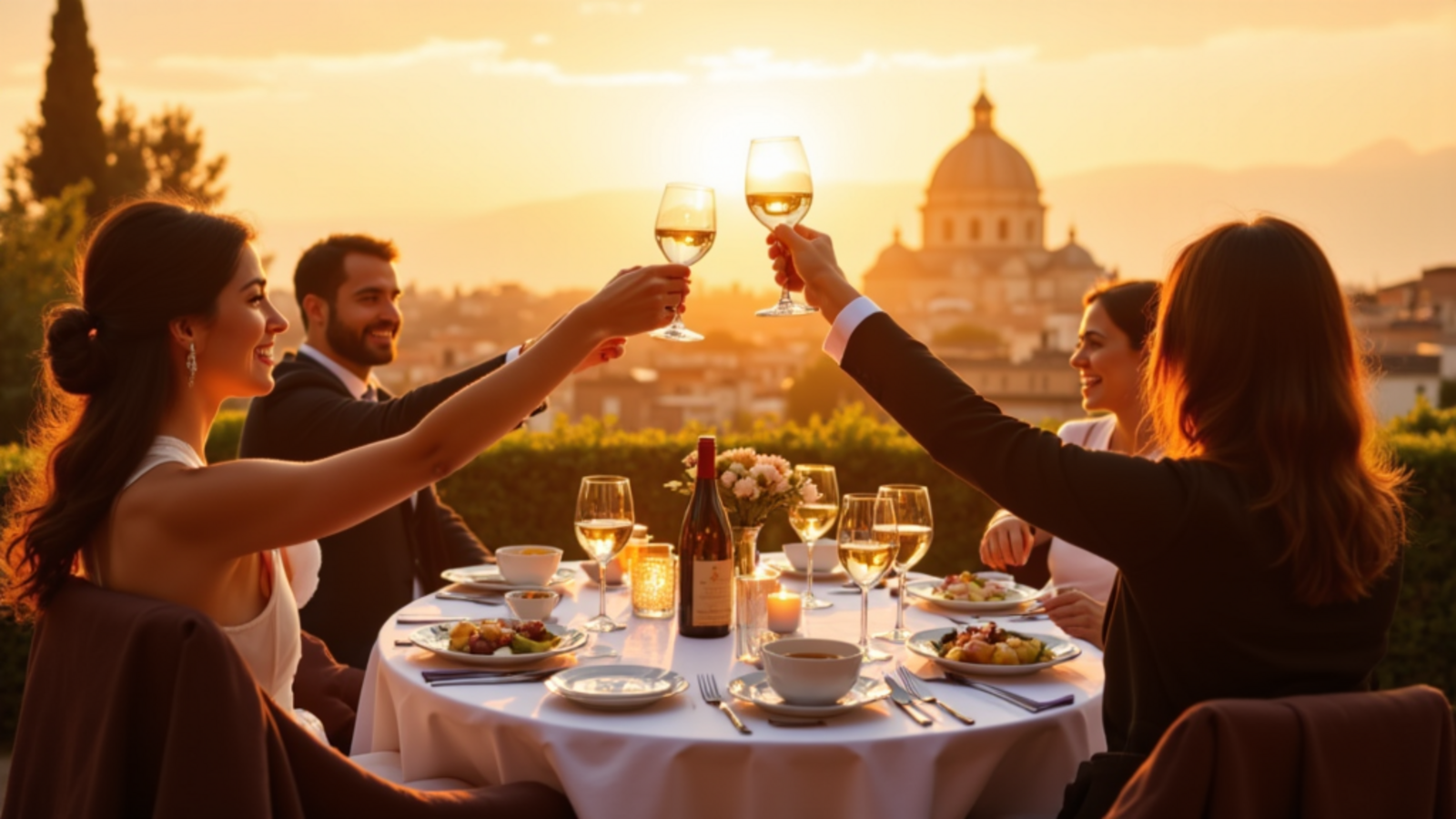
The classic starting point and the easiest to fall for: Sangiovese in Chianti, Brunello around Montalcino, and the Super Tuscans on the coast, alongside wood-grilled steak, pecorino, olive oil, and hill-town markets. Rolling, walkable, and deeply set up for visitors who travel well. The best all-round first food and wine trip in Italy.
Piedmont and Barolo

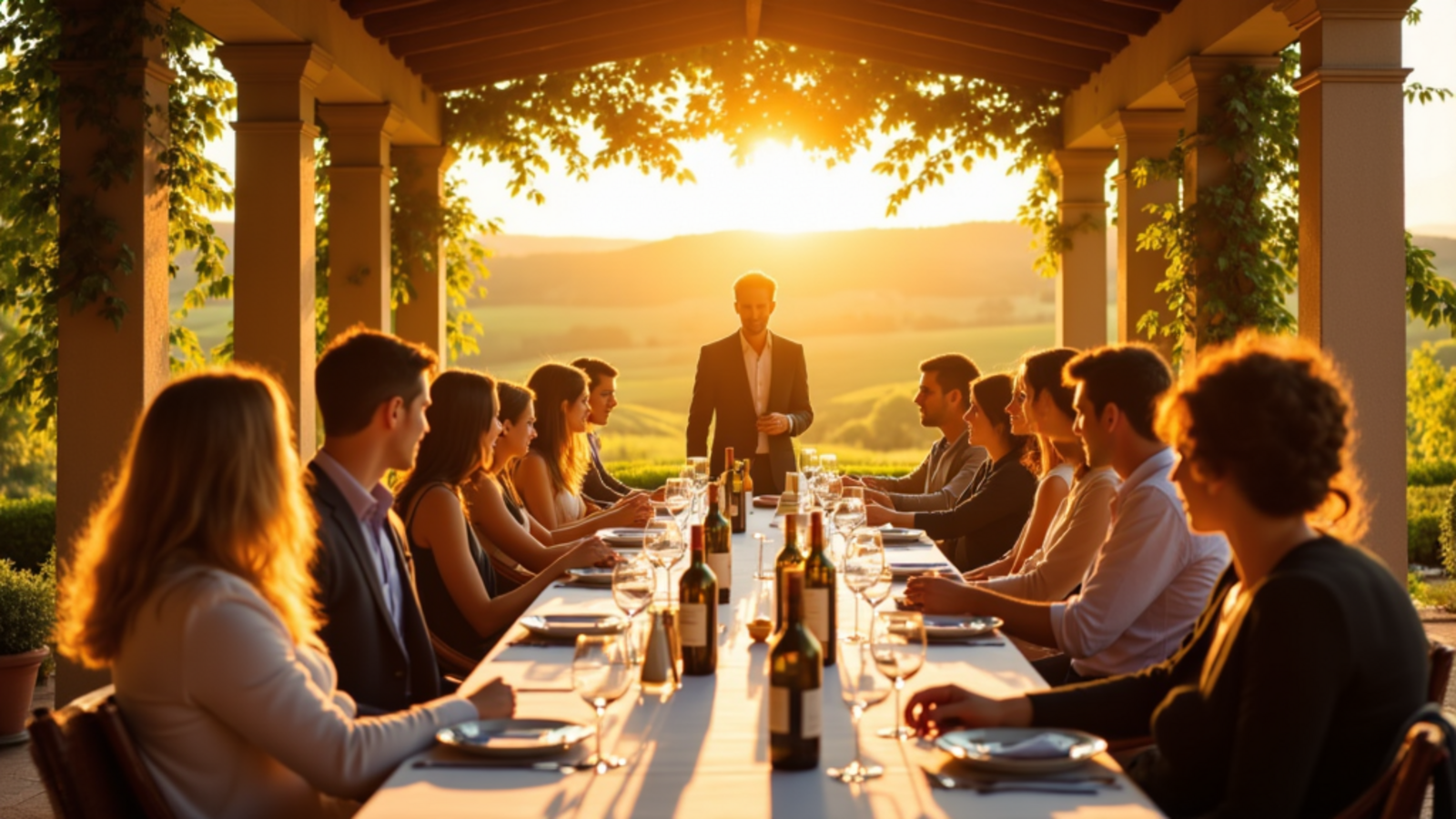
Italy's most serious wine region for many travelers, and its quietest pleasure. Nebbiolo becomes Barolo and Barbaresco here, the villages sit among the Langhe vineyards, and from autumn the Alba white truffle takes over the kitchens. Slower and less crowded than Tuscany, and a favorite of travelers who already know wine.

Emilia-Romagna, Parma and Modena

The larder of Italy. This is where Parmigiano Reggiano, prosciutto di Parma, traditional balsamic, and fresh egg pasta are made, and where you tour the producers rather than the vineyards. Lambrusco is better than its reputation. The region food enthusiasts rate highest once they have been.

Sicily

A cuisine of its own, shaped by Arab, Greek, and Norman history: street food in Palermo, the markets, the seafood, the pastry, and the volcanic wines of Etna, which have become some of the most exciting in Italy. Bigger, hotter, and more varied than the north.

Amalfi and Campania

The coast people picture, with the lemons, the buffalo mozzarella, the Neapolitan pizza, and the wines of the surrounding hills. The most scenic of the regions and the best paired with a few relaxed coastal days rather than an intensive tasting schedule.

The Experiences

What makes the trip

The experiences are what make this trip, and the good ones are arranged in advance, not found on arrival. Vineyard and cellar visits are private tastings with the winemaker or the family, in the cellar, with the wines explained by the people who made them. Cooking classes run a half day with a local cook, in a home kitchen or an estate, making the region's pasta, sauce, or dish by hand, then eating it over lunch with the wine it is meant to drink with.

Truffle hunting, in Piedmont and Tuscany, is a morning in the woods with a trifolau and a trained dog, followed by a meal built around the find: white truffle in autumn, black truffle in other seasons. Market tours walk a regional market with a chef or guide, often as the start of a cooking class. Agriturismo dining means meals on working farms where the food comes from the land you are sitting on and the wine from the cellar below. And olive oil estate visits and tastings, with pressing visits during the autumn harvest, are a natural companion to the wine on most Tuscan and southern itineraries.

When to Travel

Best time for an Italy food and wine tour

WindowConditionsHighlightsPricing
September to October (harvest)Warm, settledGrape harvest, white truffle, olive harvestPeak
May to JuneMild, green, long daysTuscany and the coast, lighter crowdsStrong
November to March (truffle and quiet)Cooler, some coast closedBlack truffle, local feel, Piedmont and Emilia-RomagnaLowest
July to AugustHot, busyCoast at its peak; some producers closedMixed

White truffle in Piedmont runs roughly October into December and is the headline season for that region; black truffle is available across more of the year. September into October is the most rewarding window overall, when the harvest brings the estates alive and the kitchens follow the season. We time the trip to the season you most want to see.

Cost Guidance

What an Italy food and wine tour costs

Planning range, per person, for a private trip of seven to ten days, excluding international airfare: $5,500 to $14,000+. The drivers are the accommodation tier, how much of the trip is private versus group, the number of exclusive cellar and cooking experiences, and the season, with harvest and white truffle months carrying a premium. A well-run trip in a boutique tier sits in the lower half of the range; private estates, top producers, and the autumn season sit at the top. For the full breakdown and sample budgets, see our Italy Tour Cost guide.

Comfort & Pace

Is this easy to travel at a gentle pace?

Yes, and it is one of the better-suited trips in the portfolio for an unhurried pace, because the days are paced around long meals rather than long miles. Cellars and estates can involve steps, gravel, and uneven ground, and some are built into hillsides, so we choose properties with easier access where mobility is a factor and flag any visit that involves a climb. Tastings add up, and a packed day of four estates is a mistake for anyone, so we build in fewer, better visits, proper lunches, and downtime. Italian kitchens accommodate allergies and restrictions readily when arranged in advance, and we brief the cooks and estates ahead so dietary needs are handled quietly. We also steer heat-sensitive travelers toward the milder spring and autumn windows and away from peak summer heat, especially in Sicily and the south.

Sample Itinerary

Italy Food & Wine, 9 days

  1. Day 1. Arrive Florence, settle into Tuscany, welcome dinner at a trattoria locals book.
  2. Day 2. Chianti, private cellar visit and tasting with the family, long lunch at the estate.
  3. Day 3. Market tour in a Tuscan hill town, then a hands-on cooking class and lunch.
  4. Day 4. Montalcino, Brunello tasting, and an olive oil estate visit, with time to wander.
  5. Day 5. Transfer north to Piedmont, evening in the Langhe.
  6. Day 6. Barolo cellar visits with the winemakers, lunch among the vineyards.
  7. Day 7. Morning truffle hunt with a trifolau and dog, truffle-focused lunch.
  8. Day 8. Alba and a final Barbaresco tasting, farewell dinner.
  9. Day 9. Transfer to Milan or Turin for the international departure.

This is one route. Many travelers swap Piedmont for Emilia-Romagna and a Parmigiano, prosciutto, and balsamic circuit, or add Sicily or the Amalfi Coast at a slower pace. Planning a group of 15 or more? We coordinate estate visits sized for a group, cooking classes and dinners a group can do together, block hotel reservations, and private coaches between regions. See how groups travel with Atlas.

Questions

Italy food and wine FAQ

Are Italy food and wine tours worth it?

For travelers who plan trips around the table, yes, clearly. The value is access: private cellar visits with the winemaker, cooking with people who cook for a living, and meals at places that do not take walk-ins. A self-guided version sees the public tasting rooms and misses the producers, which is the whole point.

What are the best regions in Italy for food and wine?

Tuscany for the all-round first trip, Piedmont and Barolo for serious wine and white truffle, and Emilia-Romagna for the Parmigiano, prosciutto, and balsamic. Sicily and the Amalfi Coast add a different cuisine and scenery. Most trips combine two or three rather than racing through all of them.

What is included on an Italy wine tour?

Private guiding and a driver, premium estates and boutique hotels, private cellar visits and tastings arranged with the producers, cooking classes and market tours, a truffle hunt in season, and meals booked in advance at the trattorie and agriturismi locals book. A named specialist manages the whole itinerary.

When is the best time for the harvest in Italy?

Roughly September into October, when the grape harvest brings the estates alive, the white truffle season opens in Piedmont, and the olive harvest begins. It is the most rewarding window and the one to book earliest. See our Italy Tour Cost guide for how season affects budget.

Are Italy food and wine tours easy to travel at a gentle pace?

Yes, and they suit travelers who prefer a gentle pace well, since the days are built around long meals rather than long miles. We choose estates with easier access, pace the tastings, handle dietary needs in advance, and favor the milder spring and autumn windows.

Ready When You Are

Plan your Italy food and wine tour.

Tell us about your travelers, your dates, and the regions you have in mind. A named specialist returns within twenty-four hours with a first sketch of the journey.