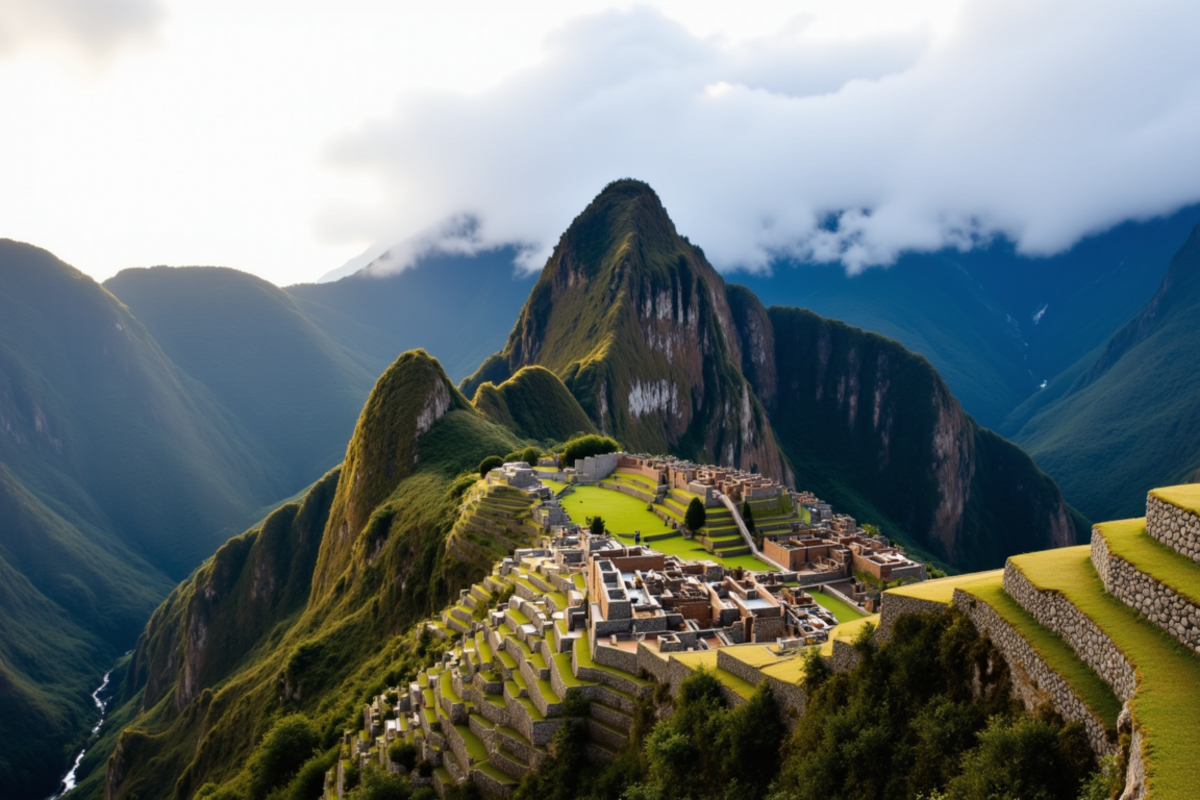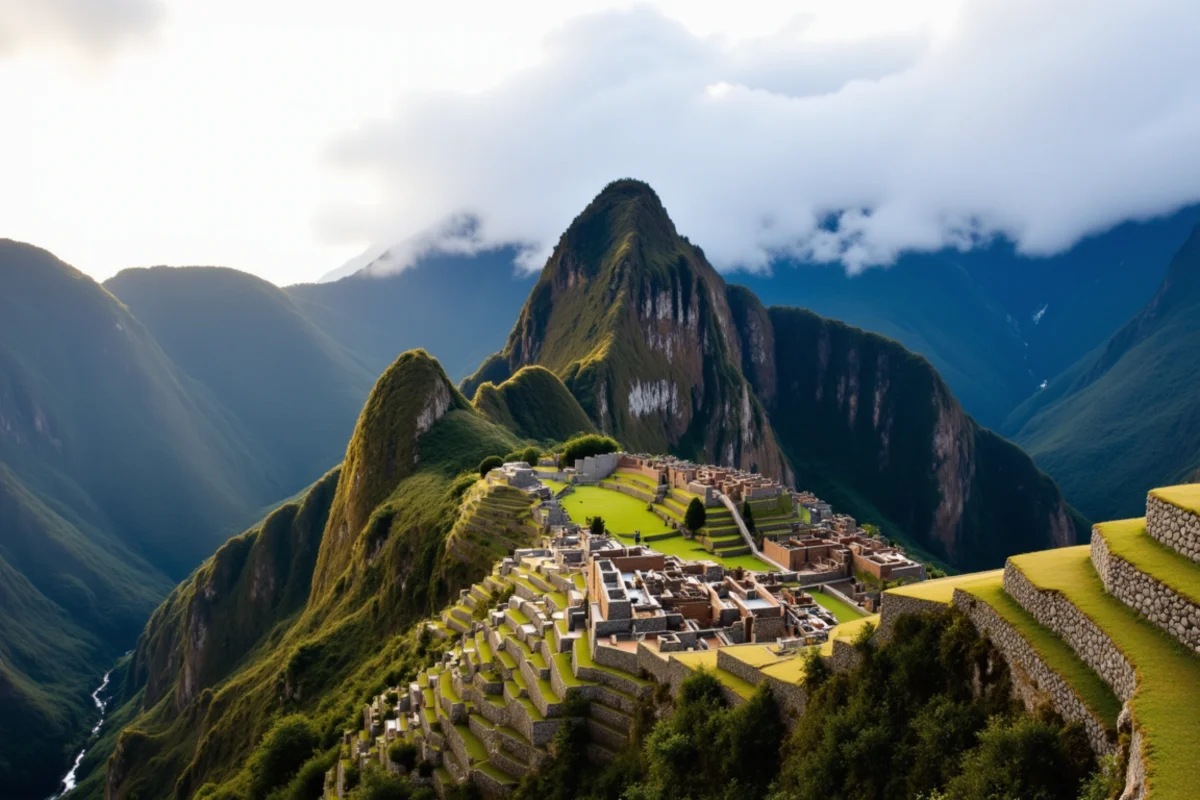
Luxury Peru journey with Atlas Group Travel: the Inca citadel of Machu Picchu in morning mist with Huayna Picchu rising behind the stone terraces and the green Andean valley below.

Destinations · The Americas · Peru

Luxury Peru & Machu Picchu Journeys

Machu Picchu is the reason most travelers come to Peru, but it is one day of a much richer country: the Sacred Valley, Cusco, the Amazon, and Lima's coast. The details that make or break the trip are altitude, timing, and how you reach the citadel. Atlas plans all of it.

Overview

A country that deserves a week

Peru is the most popular bucket-list destination in South America, and Machu Picchu is the centerpiece. But the common mistake is treating the citadel as a single sight to be ticked off rather than the high point of a country that deserves a week. The Sacred Valley rewards several unhurried days, Cusco is a destination in its own right, and an Amazon or Lake Titicaca extension turns a good trip into a great one.

Two things decide whether a Peru trip goes smoothly: altitude, and how you reach Machu Picchu. Cusco sits at roughly 11,150 feet, considerably higher than most first-time visitors expect, and higher than Machu Picchu itself. Travelers who fly straight into Cusco and try to sightsee on arrival often spend their first two days unwell. The fix is sequence: begin lower, in the Sacred Valley at around 9,200 feet, give the body time to adjust, and save Cusco for later in the trip. Getting this order right is the single most valuable thing a planner does in Peru, and it matters most for travelers who prefer a gentle, unhurried pace.

Suitability

Who this trip is best for

  • Multigenerational families combining culture, history, and gentle adventure across three generations
  • Cultural and history affinity groups drawn to the Inca and pre-Inca world
  • Discerning travelers who want the bucket-list trip planned with altitude and pacing in mind
  • Bucket-list travelers for whom Machu Picchu is a long-held goal they do not want to rush
  • Small private groups of 15 or more wanting private guides, premium rail, and coordinated hotels

Where You Go

The Peru circuit

A complete journey combines several of these, sequenced for altitude.

Machu Picchu

The Inca citadel, reached by scenic rail from the Sacred Valley to Aguas Calientes, then a short bus up to the entrance. At about 7,970 feet it sits lower than Cusco, which is why we visit it before returning to the higher city. Private guiding and timed entry tickets, now required and capped, make the difference between a crowded shuffle and a memorable morning.
Sacred Valley

A string of Inca sites, markets, and farming towns (Pisac, Ollantaytambo, Urubamba) at a gentler altitude than Cusco, which makes it the right place to begin and acclimatize. Beautiful, relaxed, and rich in living Andean culture.

Cusco

The Inca and colonial capital, a UNESCO city that deserves two days in its own right, best enjoyed after time lower down has built acclimatization.

Lima

The coastal capital and one of the world's great food cities, the usual international arrival point and worth a night or two on the way in or out.

Amazon and Lake Titicaca

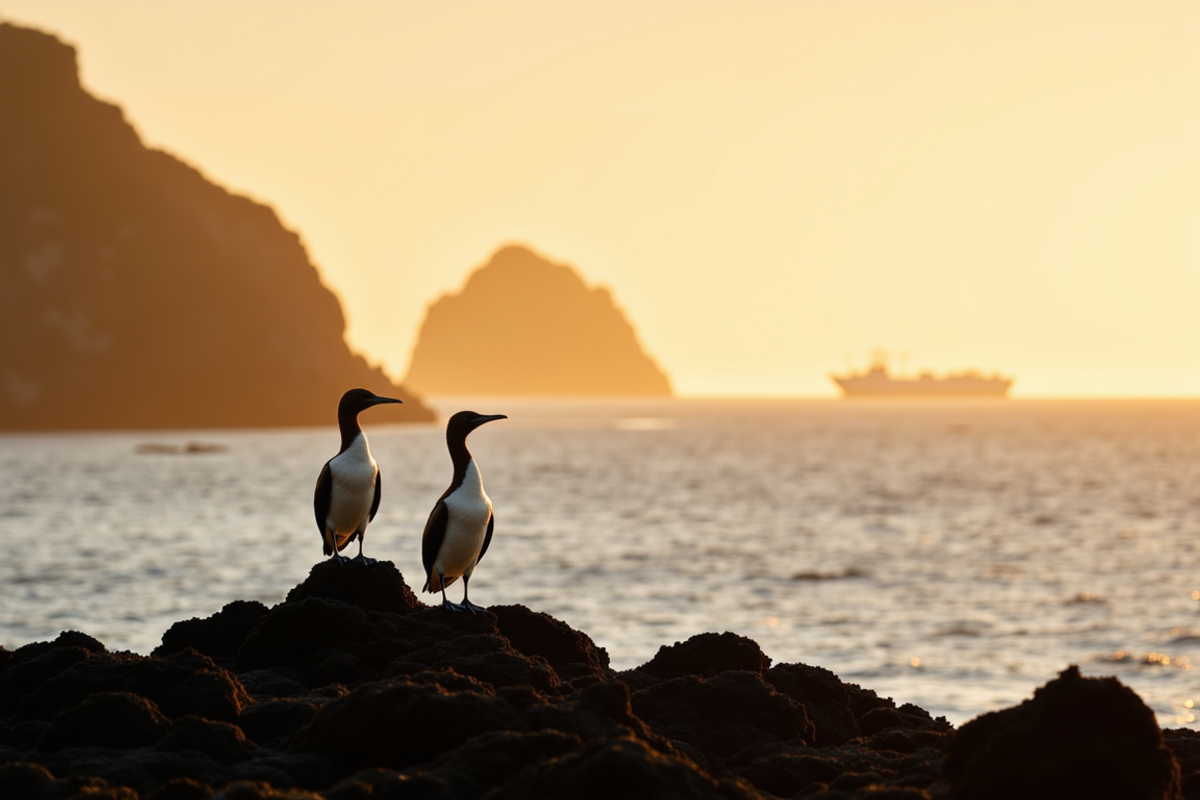
Extensions that deepen the trip: the rainforest from a comfortable jungle lodge in Tambopata or the Manu region, or the high lake and its island communities of the Uros and Taquile.

When to Travel

Best time to visit Machu Picchu

WindowConditionsNotesPricing
May to September (dry)Clear, sunny days, cold nightsBest for Machu Picchu and trekking; busiestPeak
April and October (shoulder)Mostly dry, fewer crowdsOften the sweet spot for value and weatherMid
November to March (wet)Green, afternoon rainQuiet; Inca Trail closes in FebruaryLower

The dry season offers the clearest views and the most reliable weather, at the cost of crowds and price. The shoulder months on either side are frequently the best balance. The wet season is green and quiet, with afternoon showers that rarely ruin a morning at the citadel. A complete journey typically combines Lima, the Sacred Valley, Machu Picchu, and Cusco over seven to ten days, sequenced for altitude, with optional Amazon or Lake Titicaca extensions. Atlas builds private, guided packages rather than fixed group departures, so the pace, the hotels, and the activities fit your travelers.

Cost Guidance

What a luxury Peru journey costs

Planning range, per person: $5,000 to $15,000+ for seven to ten days, excluding international airfare (Peru is well served from the US, often nonstop to Lima, typically adding $800 to $3,000+). Peru offers the broadest cost range of our destinations, because hotel tiers vary widely, rail has several classes, and extensions add materially to the total. The drivers are hotel and rail class, private versus group guiding, internal flights, and Amazon or Titicaca add-ons. A traveler on the lower end still gets private guiding and timed entry; the upper end adds the finest hotels, the most luxurious rail service, and extensions.

Comfort & Pace

Is Peru an easy trip to travel at a gentle pace?

Peru suits travelers who prefer a gentle pace very well, but it is the most altitude-sensitive of our destinations, so planning matters more here than anywhere else we send travelers. Altitude is the defining consideration: Cusco is about 11,150 feet, so we deliberately route travelers into the lower Sacred Valley first, at around 9,200 feet, to acclimatize before Cusco, pace the first two days gently, and keep the highest activities for later in the trip. Travelers with heart or lung conditions should consult their physician before traveling, and we plan around medical guidance, including the option of supplemental oxygen, which good Sacred Valley hotels keep on hand.

Reaching Lima from the US is straightforward and often nonstop, and the internal flight to Cusco is short. Lima and Cusco both have good private hospitals with real experience treating altitude illness. Machu Picchu and several Inca sites involve uneven stone steps and inclines, so we choose viewpoints, routes, and the pace appropriate to each traveler, arrange support where needed, and can structure a visit that captures the citadel without the most demanding climbs. We build rest into the high-altitude days and avoid back-to-back early starts. This is the destination where suitability is most worth an honest conversation before booking, and we have it.

Sample Itinerary

Peru Classic, 9 days

  1. Day 1. Arrive Lima, evening at leisure in Miraflores, a night in the food capital.
  2. Day 2. Fly to Cusco and transfer straight down to the lower Sacred Valley to begin acclimatizing; gentle afternoon.
  3. Day 3. Sacred Valley, Pisac market and Ollantaytambo, at an easy pace.
  4. Day 4. Scenic rail to Machu Picchu, private guided visit, night in Aguas Calientes or back in the valley.
  5. Day 5. Optional second Machu Picchu entry or a Sacred Valley morning, then up to Cusco.
  6. Days 6 to 7. Cusco city and nearby ruins, now well acclimatized.
  7. Days 8 to 9. Optional Amazon or Lake Titicaca extension, or fly Lima for departure.

Planning a group of 15 or more? We arrange private guides, premium rail cars, coordinated hotels that can hold a party together, and a trip manager, all sequenced for altitude across the whole group. See how groups travel with Atlas.

Questions

Peru and Machu Picchu FAQ

What is the best tour for Machu Picchu?

A private, guided trip that sequences the Sacred Valley before Cusco for altitude, reaches the citadel by scenic rail with timed entry secured in advance, and gives you a private guide on site. Group tours that fly straight into Cusco and rush the visit are the common mistake.

What is the best month to visit Machu Picchu?

May to September for the clearest, driest weather; April and October are the value sweet spots with fewer crowds. The wet season is green and quiet, and the Inca Trail closes in February.

What is the best tour company for Machu Picchu?

Look for a planner who books timed entry and premium rail ahead, sequences the itinerary for altitude, uses private licensed guides, and is reachable directly. That is exactly how Atlas plans Peru.

Is Machu Picchu worth it?

For almost everyone who goes, yes. It is one of the few sights that exceeds its reputation. Planned well, with altitude respected and the crowds timed around, it is the highlight of a much richer country.

How many days do you need in Peru?

Seven to ten days on the ground for Lima, the Sacred Valley, Machu Picchu, and Cusco at an altitude-aware pace; add two to four nights for the Amazon or Lake Titicaca.

Ready When You Are

Plan your Peru journey.

Tell us about your travelers, your dates, and your preferred regions. A named specialist returns within twenty-four hours with a first sketch of the journey.