
Eastern islands
Easier landings and classic accessible wildlife, with giant tortoises, sea lions, and frigatebirds. Often the most family-friendly route, and a strong first choice.
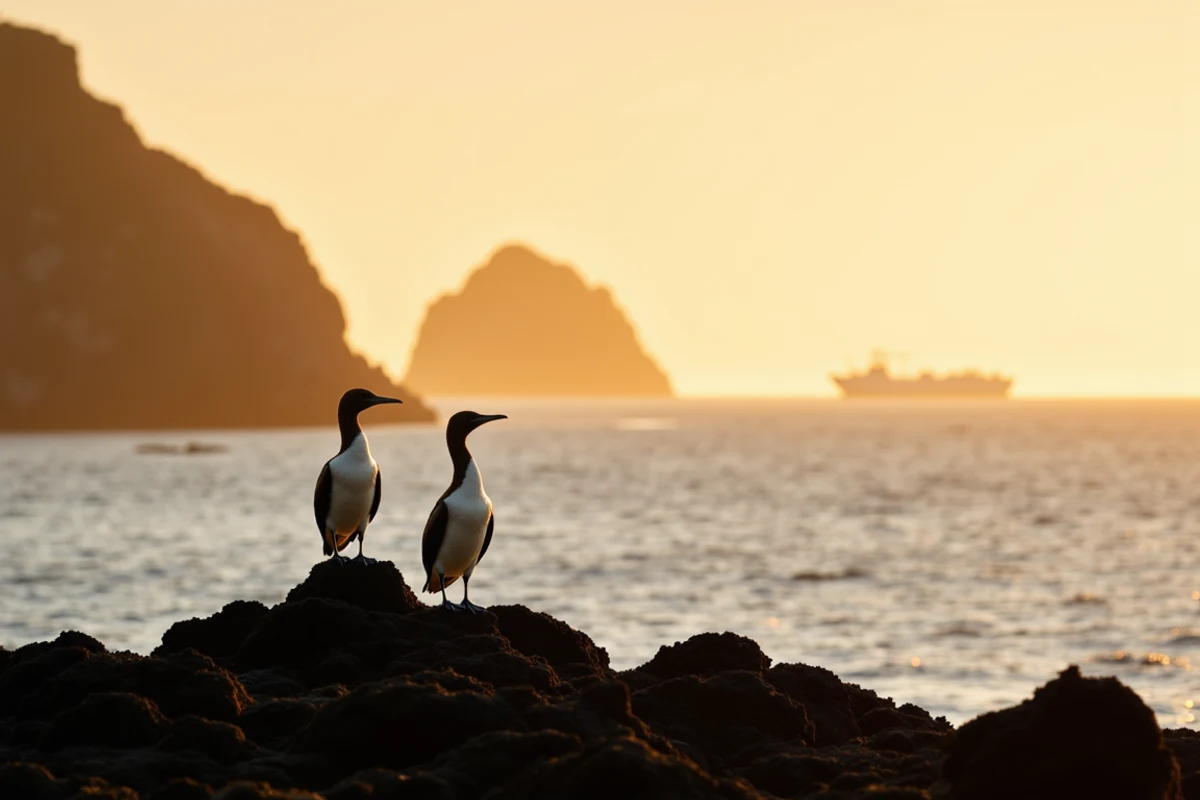
Destinations · The Americas · Galápagos
In the Galápagos, the ship is the trip. A small luxury vessel reaches islands that day boats cannot, on itineraries set by the national park. Choosing the right ship, route, and month is the whole decision, and it is the one most travelers get wrong without guidance.
Overview
The Galápagos is a wildlife destination unlike any other, where the animals evolved without natural predators and are famously indifferent to people. You walk among sea lions, marine iguanas, blue-footed boobies, and giant tortoises at arm's length. But the experience is governed almost entirely by your vessel and your route, more so than any other trip we plan. The Galápagos National Park assigns each ship a fixed, government-approved itinerary on a fortnightly rotation, so the islands you visit depend on which boat you book and which week you sail. There is no changing your mind once you are aboard, which is exactly why the planning decision is so consequential.
For luxury travelers, the choice is a small ship, typically 16 to 100 guests, with expert naturalist guides, comfortable cabins, and the range to reach the outer islands that day-trip-based land tours never see. A cruise also solves the destination's biggest practical problem: the islands are spread across an area larger than many countries, and only a vessel that sails overnight can cover them efficiently. We match travelers to the right ship, route, and season, and for groups of 15 or more we can charter a small ship outright.
Suitability
Where You Go
The park sets the routes, and they differ meaningfully. The vessel you book decides which islands you see.
Easier landings and classic accessible wildlife, with giant tortoises, sea lions, and frigatebirds. Often the most family-friendly route, and a strong first choice.
The youngest, most volcanic, and most dramatic islands, with the richest marine life, flightless cormorants, penguins, and whales. Slightly more active, and outstanding.
Exceptional for birdlife, including the waved albatross, which nests on Española from roughly April to December.
This is the whole decision. Ship size, cabin and class, and the licensed route all shape the trip, and cabin choice is the single biggest driver of price. For a group of 15 or more, a whole-ship charter gives you a private departure and your own dates.
When to Travel
| Season | Months | Conditions | Highlights |
|---|---|---|---|
| Warm / wet | December to May | Calmer seas, warmer water, sunny with brief showers | Best swimming and snorkeling, green islands, peak nesting and hatching |
| Cool / dry | June to November | Choppier seas, cooler water, overcast | Richest marine life, most active seabirds, albatross season, whales |
The Galápagos is a year-round destination, but the experience shifts between two seasons. The single most useful planning point: the calmer warm season suits travelers prone to motion sensitivity, while the cool season rewards divers and snorkelers with cooler but more nutrient-rich water and more marine activity. We factor sea conditions into the recommendation, especially for travelers who prefer calm water.
Cost Guidance
Planning range, per person: $8,000 to $18,000+ for a cruise plus the required mainland nights, excluding international airfare (add roughly $800 to $3,000+ to Quito or Guayaquil). The drivers are ship class and cabin category, cruise length, season, and whether you charter. A suite on a premium small ship in high season sits at the top of the range; a standard cabin on a shorter shoulder-season sailing sits at the bottom. We model the options clearly so you can see exactly what each step up buys.
Comfort & Pace
Yes, and a cruise is one of the easiest luxury trips to travel at a gentle pace, because the ship is your hotel and you unpack only once. Daily landings are by zodiac, called a panga, and come in two types: dry landings onto rock or a dock, and wet landings stepping into shallow water off the boat. This is the main mobility factor, and we choose ships and itineraries weighted toward easier landings where needed, with crews practiced at assisting guests. Larger ships and the calmer warm season reduce motion noticeably; premium ships have stable, well-appointed cabins, often with steadier lower-deck options, and good medical kits with a doctor or trained officer aboard. The flight from the US to Quito or Guayaquil is straightforward, then a short flight to the islands, and we build in the mainland buffer nights.
Sample Itinerary
Planning a group of 15 or more? Chartering a whole small ship gives you exclusive use, your own departure date, and a route tailored within the park's rules, with naturalists and a structure built around your group. See how groups travel with Atlas.
Questions
A small luxury ship of 16 to 100 guests with expert naturalists, on a route matched to the wildlife you most want to see. Smaller ships feel more intimate; larger ships are steadier for those prone to motion. The right vessel is the whole decision, and we match it to each traveler.
It is a year-round destination. December to May brings calmer seas and warmer water, best for swimming and families; June to November brings cooler, richer seas, the most active wildlife, and albatross season.
Roughly $8,000 to $18,000+ per person including the required mainland nights, excluding international flights, driven mainly by ship class, cabin category, and cruise length.
At least four nights aboard; five to seven reaches more islands and better repays the journey. Add two to three mainland nights for flights, and consider combining with Peru.
One that books the right licensed ship and route ahead, handles the mainland flights and park formalities, uses qualified naturalists, and is reachable directly. That is how Atlas plans the Galápagos.
Continue Planning
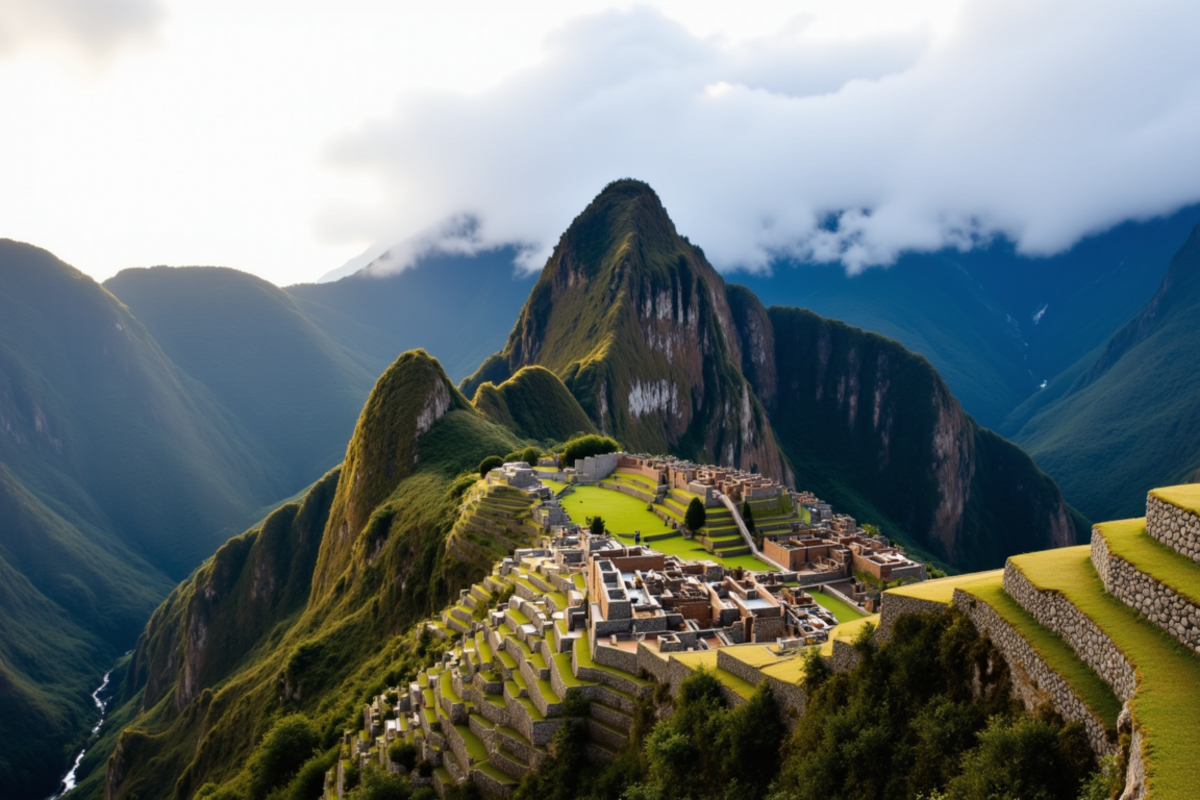
The Americas
The classic South America pairing: combine the Galápagos with Machu Picchu in one efficient journey south.
Explore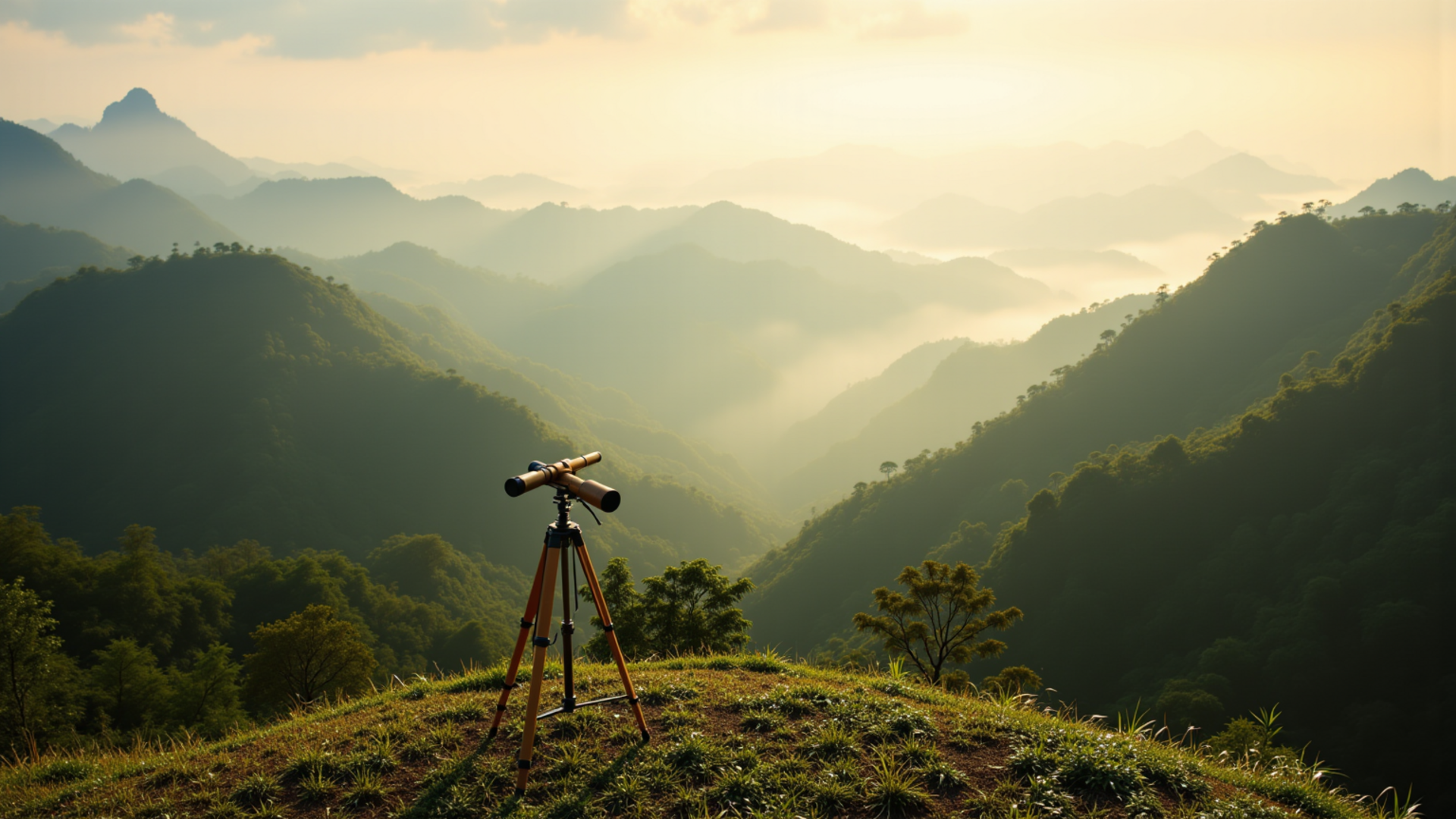
The Americas
Endemic species and fearless wildlife for the dedicated birder, in the Galápagos and beyond.
Explore The Americas
The full range of private, white-glove journeys Atlas designs for discerning travelers and groups.
ExploreReady When You Are
Tell us about your travelers, your dates, and whether you are pairing the islands with Peru. A named specialist returns within twenty-four hours with a first sketch of the journey.