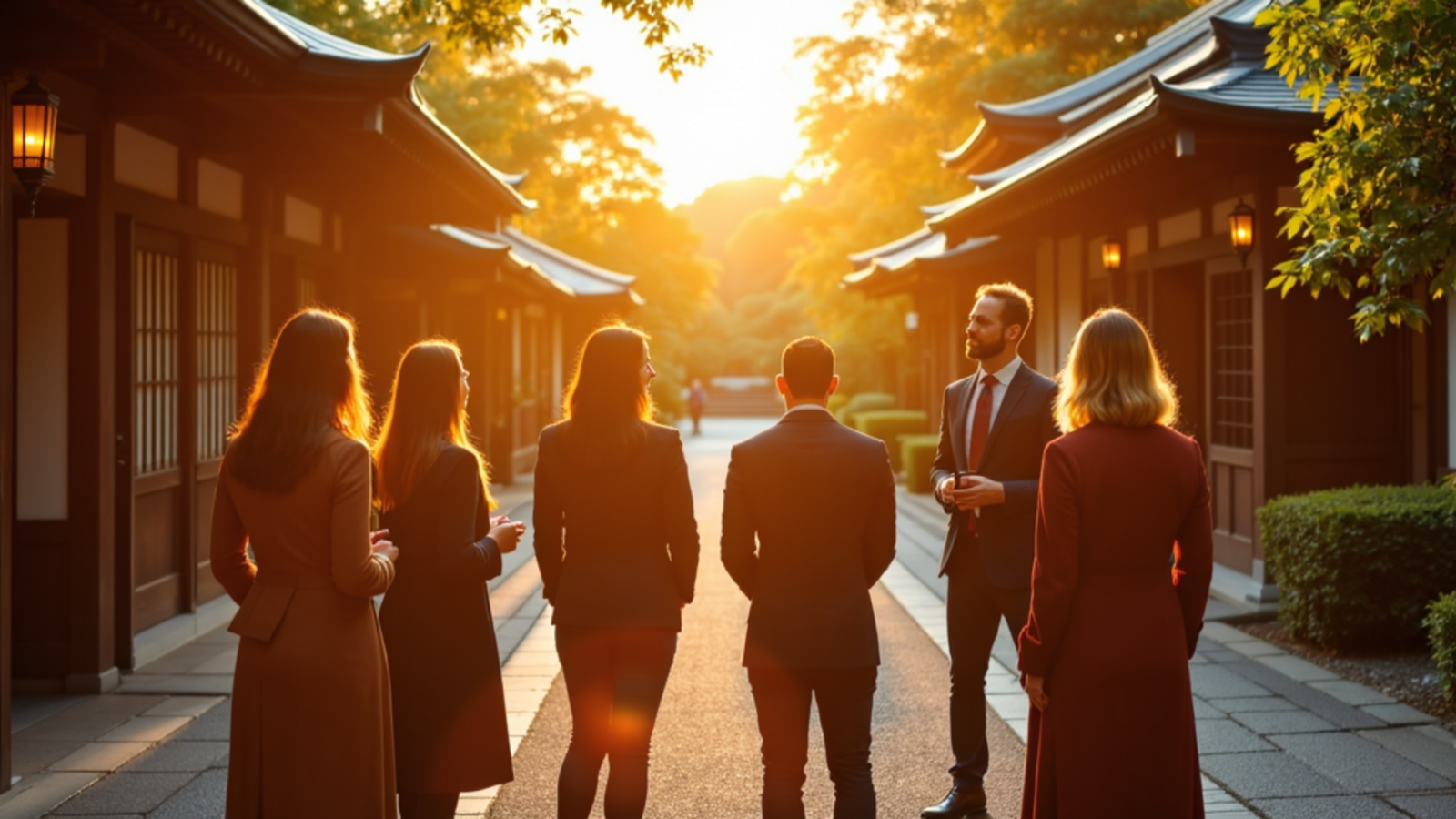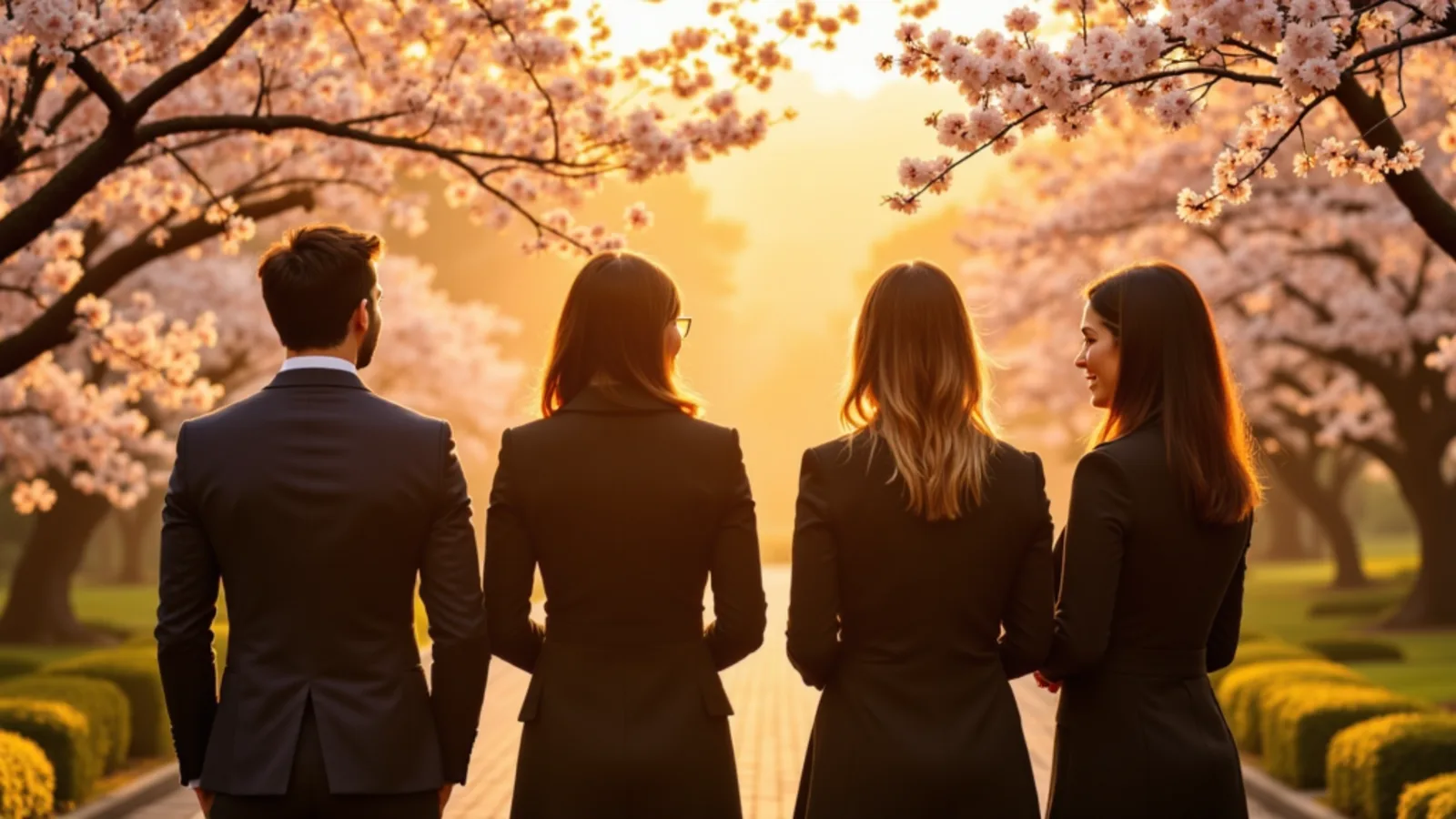
Luxury Japan cherry blossom tour with Atlas Group Travel: the Philosopher's Path in Kyoto with cherry trees in full bloom arching over the canal at first light.

Experiences · Japan

Japan Cherry Blossom Tours

The Japan cherry blossom is the most beautiful travel window in the country and the hardest one to book. The bloom lasts roughly a week in any given place, it moves north through the spring, and it shifts by a week or two every year. Atlas plans Japan cherry blossom tours that are timed to the bloom and built to flex when the forecast moves.

Overview

The one trip where timing carries the weight

A Japan cherry blossom tour is the one trip where timing carries more weight than itinerary. In any single city the blossom is at its peak for about five to seven days, and full bloom to falling petals is over inside two weeks. Arrive a week early and you see bare branches and tight buds. Arrive a week late and you have missed it, and you are looking at a green canopy where the photographs were taken. The whole country is trying to be in the same handful of places during the same narrow windows, which is why this is the busiest and most expensive travel season in Japan, and the one that sells out furthest ahead.

The good news is that the blossom does not arrive everywhere at once. It moves from the warm south to the cold north over roughly six weeks, which means a well-planned trip does not bet everything on one city and one date. It follows the bloom. The job of a Japan cherry blossom specialist is to read the season, hold the right accommodation in the right places before the forecast is even out, and keep enough flex in the plan that a shift of a week does not ruin the trip. That is what this page is about: when the blossom comes, where to be, what it costs, and why this trip has to be booked a year ahead.

Suitability

Who this trip is best for

  • Bucket-list travelers for whom the cherry blossom in Japan is a once-in-a-lifetime, do-it-properly trip
  • Photographers who want to be in the right place at peak bloom with early-morning access that keeps crowds out of the frame
  • Couples wanting the most romantic version of Japan, evening illuminations and blossom-lined canals included
  • Travelers with the time to visit in shoulder windows and the wish to do it at an unhurried pace
  • Families building a spring-break trip around the blossom, often combining cities with a ryokan and a hot spring
  • Private groups of 15 or more wanting coordinated rail, ryokan, and guides during the single hardest season to book

The Bloom by Region and Month

The cherry blossom front, south to north

The sakura zensen moves predictably enough to plan around while shifting enough year to year that you cannot set dates in stone. These are typical windows, not guarantees.

The blossom opens first in the warm south and works its way north and up into the mountains as spring advances. Read the windows below as the shape of the season, then expect the actual dates to slide by a week or two in either direction depending on the winter and the early-spring weather.

  • Kyushu, the south, mid-to-late March. Fukuoka and the southern island lead the country. This is the earliest reliable blossom and the right answer for a traveler whose only free dates are in mid-March, or who wants to start south and chase the bloom north.
  • Tokyo and Kyoto, late March to early April. The headline window most travelers picture, and the most heavily booked of the year. Tokyo typically opens a few days ahead of Kyoto. Peak usually falls in the last days of March and the first days of April, but a warm year can be a week earlier and a cold year a week later. This is the window that sells out first and hardest.
  • Tohoku, the north of the main island, mid-to-late April. Hirosaki Castle, Kakunodate, and the northern cities bloom two to three weeks after Tokyo. For a traveler who can only travel in mid-April, or who finds the Kyoto window fully booked, Tohoku is the answer, and the castle moats lined with blossom are among the finest sights in the country.
  • Hokkaido, the far north, late April to early May. The last blossom in the country, often overlapping with Golden Week. By the time the south has long since finished, the north is at its peak. A trip that starts late can still catch the bloom by heading to Hokkaido.

The practical takeaway is the one most independent travelers miss: because the bloom moves, a Japan cherry blossom tour should be planned as a route that follows it, not a fixed week in a fixed city. If your dates are flexible, we set the route to the forecast. If your dates are fixed, we choose the region most likely to be in bloom on exactly those days. Either way, the plan is built with a fallback region in mind, so a forecast that shifts in the weeks before departure means we adjust the route rather than miss the season.

When to Travel

Best time for a cherry blossom tour

Region / windowTypical peakBest forCrowds and pricing
Kyushu (Fukuoka, south)Mid-to-late MarchEarliest bloom, mid-March travelersBusy, high
Tokyo and KyotoLate March to early AprilThe classic, headline tripBusiest and most expensive of the year
Tohoku (Hirosaki, north Honshu)Mid-to-late AprilLater travelers, castle-moat blossomBusy, slightly easier than the cities
Hokkaido (far north)Late April to early MayLatest bloom, overlaps Golden WeekBusy, Golden Week premium

The single most important planning fact is that these peaks shift year to year. A warm winter pulls the bloom earlier; a cold spring pushes it later. National forecasts begin to firm up only a few weeks before the season, long after you need to have booked your hotels and rail. This is why the route is built to flex and why a fallback region matters more on this trip than on any other in Japan. Golden Week, the late-April to early-May run of national holidays, overlaps the Hokkaido blossom and adds its own crowds and premium on top of the cherry-blossom demand, so we plan around it deliberately.

Where You Go

The cities that anchor the trip

The exact combination depends on your dates and which region the forecast favors.

Tokyo

The arrival point, and a city that does the blossom on a grand scale: the moats around the Imperial Palace, Ueno Park, the Meguro River lined with trees and lit at night, and Shinjuku Gyoen for a calmer, paid-entry alternative to the crowds. Evening illuminations, yozakura, are a Tokyo highlight.
Kyoto

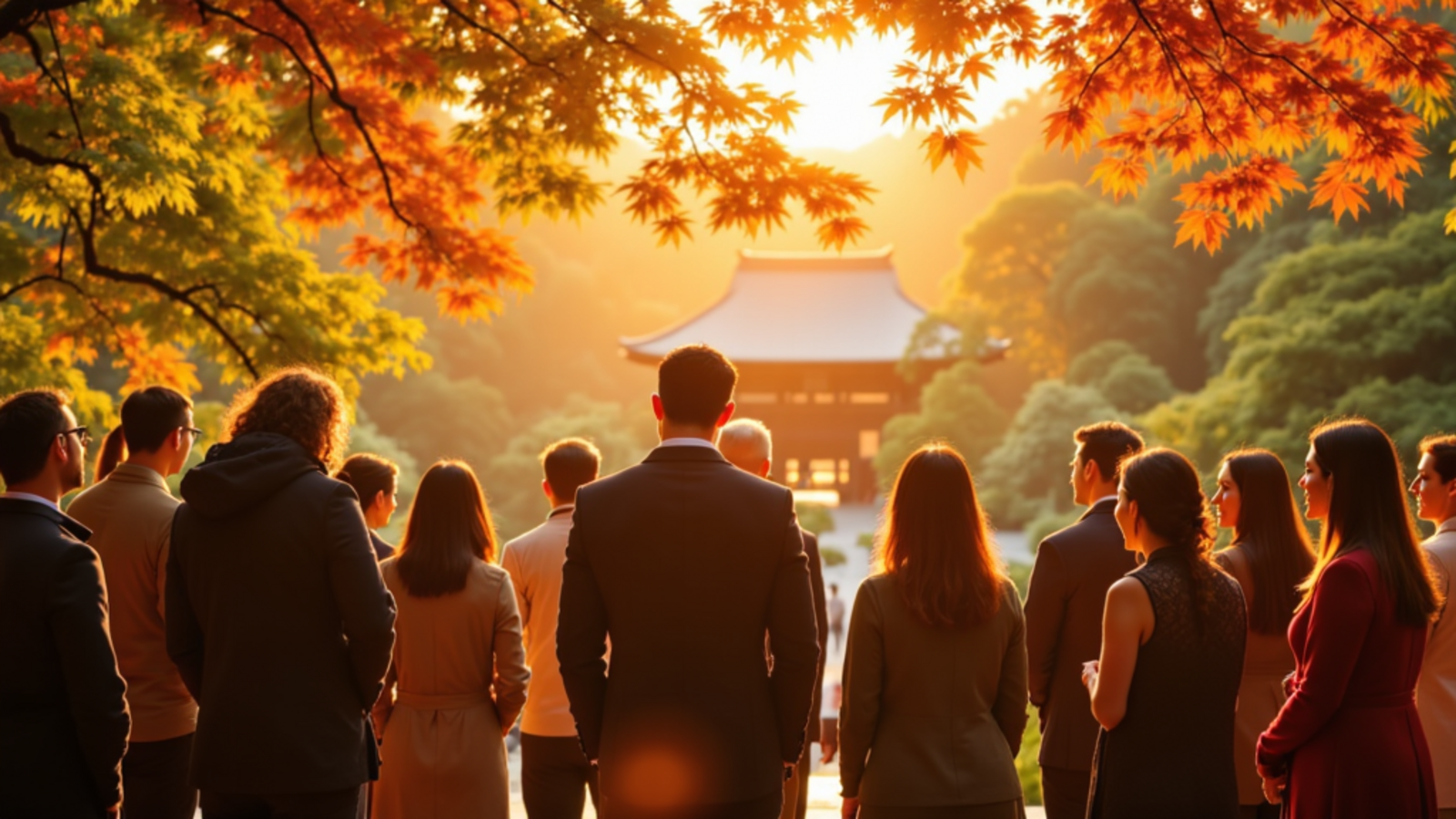
The most photographed blossom in Japan, and the reason many travelers come. The Philosopher's Path, the canals of the Okazaki district, Maruyama Park, and the temple gardens turn the city into the postcard. It is also the most crowded place in the country at peak bloom, which is where early-morning access and a guide who knows the quiet hours earn their place.

Mount Fuji and the Fuji Five Lakes

The classic image of blossom framing a snow-capped Fuji is made here, at Chureito Pagoda and along the lakes, and it is worth the day trip when the timing aligns.

Hirosaki and Tohoku

For mid-to-late April travel, the northern castle towns offer blossom at its most dramatic, with petal-covered moats and far fewer foreign visitors than Kyoto.

Booking Ahead

Why this trip goes a year out

Of every trip Atlas plans in Japan, the cherry blossom tour rewards the earliest planning and punishes the latest the hardest. Three things collide in the same two-week window. The blossom is brief and the whole world wants to see it, so demand peaks. The best ryokan and city hotels are capacity-limited and small, so supply is fixed. And the bloom moves, so you are committing to dates and rooms before the forecast that confirms them even exists.

The result is simple: the best accommodation in Kyoto and Tokyo for the blossom window is gone roughly a year out, and the most sought-after ryokan and the reserved bullet-train seats on the popular routes go with them. We recommend booking about twelve months ahead, and for private groups needing several ryokan rooms together, or for the very top properties, twelve to eighteen months is not too early. Booking late is the most common way travelers are disappointed: not by missing the bloom, but by finding that everything good is already taken and being left with the leftovers at peak-season prices.

Cost Guidance

What a cherry blossom tour costs

Planning range, per person, for a tour of nine to twelve days, excluding international airfare: $7,000 to $18,000+. This sits above the Japan average for one reason: the cherry blossom window is the peak travel season, and accommodation, rail, and guiding all carry a season premium. The same ryokan room costs more in blossom week than in any other week of the year, and the best ones are gone unless booked far ahead. The drivers are the same as any Japan trip, accommodation tier, private versus small-group, and the amount of rail, but the season multiplies them. A small-group trip in city hotels sits toward the lower end; private guiding with top ryokan in the Tokyo-Kyoto peak sits at the top. For the full breakdown and sample budgets, see our Japan Tour Cost guide.

Comfort & Pace

Is a cherry blossom tour easy to travel at a gentle pace?

Yes, and in some ways the blossom season suits a gentle pace well, the weather is mild and the pace can be gentle, but it is the most crowded season in Japan, and that is the thing to plan around honestly. At peak bloom, Kyoto and Tokyo bring the heaviest visitor numbers of the year to a handful of famous spots, so we plan early-morning visits before the crowds build, choose the calmer paid gardens over the free crush, and keep a guide alongside to manage the busiest sites.

The best blossom is seen on foot, through parks, along canals, and around temple grounds, and stations can mean stairs, so we pace the days, plan step-free routes where they exist, and use luggage forwarding so no one carries bags through stations. Late March and April are mild but changeable, so we build in indoor alternatives and keep the schedule flexible. We resist the temptation to do too much because everything is in bloom at once, keeping the days unhurried with sit-down meals and rest built in. Spring is one of the two best windows in Japan on weather alone, well away from the summer heat, which is part of why the season is worth the crowds.

Sample Itinerary

Cherry Blossom Japan, 11 days

  1. Day 1. Arrive Tokyo, transfer and a recovery evening, with an orientation walk if energy allows.
  2. Day 2. Tokyo: the Imperial Palace moats and Chidorigafuchi, Ueno Park, and an evening of yozakura along the Meguro River.
  3. Day 3. Tokyo: a quieter morning at Shinjuku Gyoen, neighborhoods and the restaurant scene, with flexibility to chase the best-blooming spots.
  4. Day 4. Mount Fuji day: Chureito Pagoda and the Fuji Five Lakes for blossom framing the mountain, weather permitting.
  5. Day 5. Bullet train to Kyoto, bags forwarded ahead, with an afternoon in the temple gardens as they come into bloom.
  6. Day 6. Kyoto: early-morning access to the Philosopher's Path and the canals before the crowds, then Maruyama Park and the Higashiyama temples.
  7. Day 7. Kyoto: Arashiyama, the western temples, and an evening illumination, with time held for wherever the bloom is strongest.
  8. Day 8. Nara or Osaka day, a change of pace among the deer park and great temples, or the food and the castle grounds.
  9. Day 9. North to Tohoku or onward as the forecast dictates: if the cities have peaked we follow the bloom north, if not we hold in Kansai for the later bloom.
  10. Day 10. Blossom at its northern best, the castle towns and their petal-covered moats, far from the city crowds.
  11. Day 11. Transfer for the international departure, or extend further north into Hokkaido for the latest bloom.

Planning a group of 15 or more? We coordinate block ryokan and hotel reservations in the blossom window, reserved bullet-train cars, a trip manager on the ground, and departures built around your dates, with twelve to eighteen months of lead time on the hardest season to book. See how groups travel with Atlas.

Questions

Japan cherry blossom FAQ

What month is cherry blossom in Japan?

Late March to early April in Tokyo and Kyoto, the headline window. It starts earlier in the south, mid-to-late March in Kyushu, and runs later in the north, mid-to-late April in Tohoku and late April to early May in Hokkaido. The exact dates shift by a week or two each year with the weather, which is why we build the route to flex.

When to see cherry blossoms in Japan in 2026?

Plan for late March into early April for the Tokyo and Kyoto peak, with national forecasts firming up only a few weeks beforehand. Because you need to book hotels and rail about a year ahead, well before any forecast exists, we hold the right accommodation early and keep a fallback region in the plan so a forecast shift means we adjust the route rather than miss the bloom.

Which place in Japan is famous for cherry blossoms?

Kyoto is the most famous and most photographed, the Philosopher's Path, the canals, and the temple gardens. Tokyo is a close second on a grander scale, and for later travel the northern castle towns of Tohoku, Hirosaki especially, are among the finest sights in the country with far smaller crowds.

What city in Japan is best for cherry blossoms?

Kyoto for the classic, postcard blossom, though it is also the most crowded. Tokyo for variety and night illuminations. Hirosaki in the north for dramatic castle-moat blossom and fewer visitors if you can travel in mid-to-late April.

What is the cheapest month to go to Japan?

The cherry blossom season is the opposite of cheap, it is the peak travel window and carries the year's highest accommodation and rail prices. The lower-cost months are the winter, December to February, away from the blossom. If value matters more than the bloom, our Japan Small-Group Tours and the Japan Tour Cost guide cover the better-value windows.

Do cherry blossom trees cause allergies?

Cherry blossom itself is not a major allergen, but Japanese cedar and cypress pollen peaks in the same spring weeks and does affect sensitive travelers. If hay fever is a concern, we factor it into the plan and the pack list, and it is one more reason to talk through your dates with a specialist.

Ready When You Are

Plan your cherry blossom tour.

Tell us about your travelers, your dates, and how much flex you have. A named specialist returns within twenty-four hours with a first sketch of the route and the season.